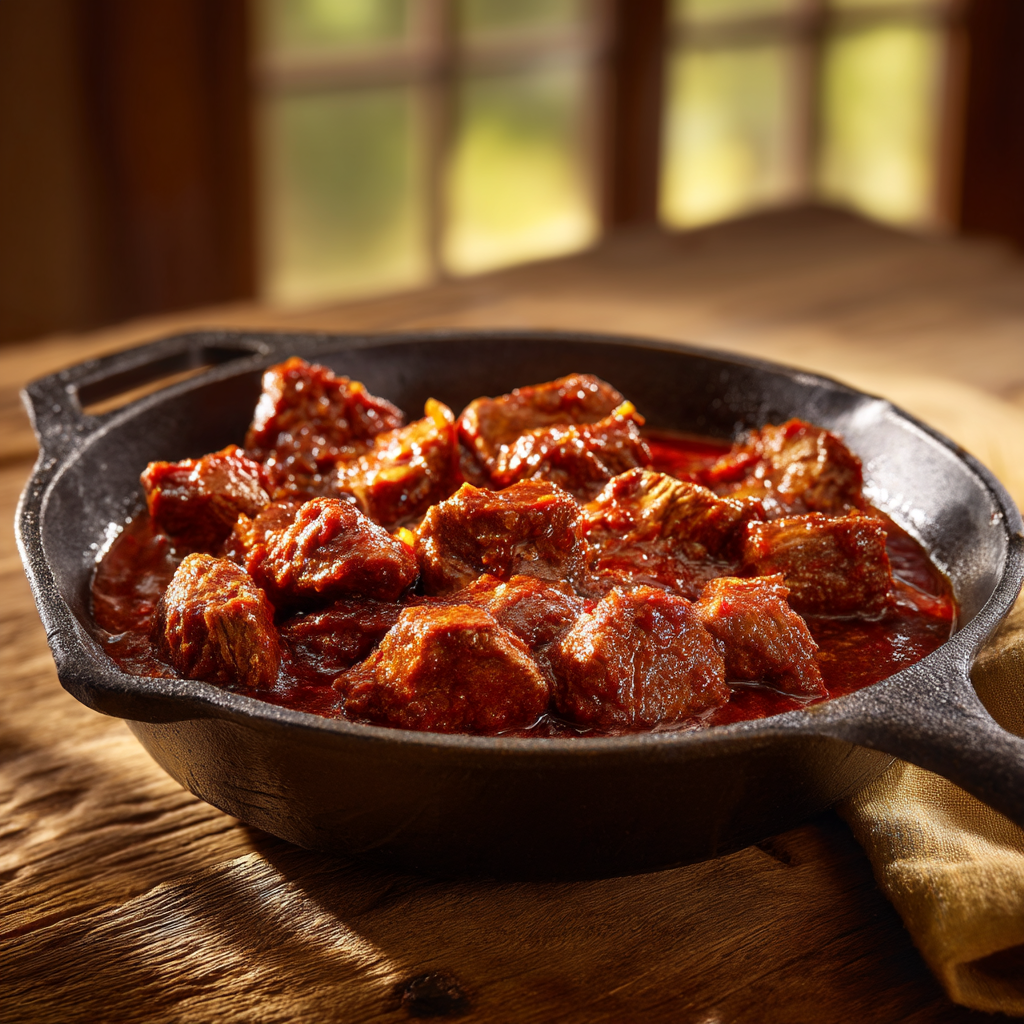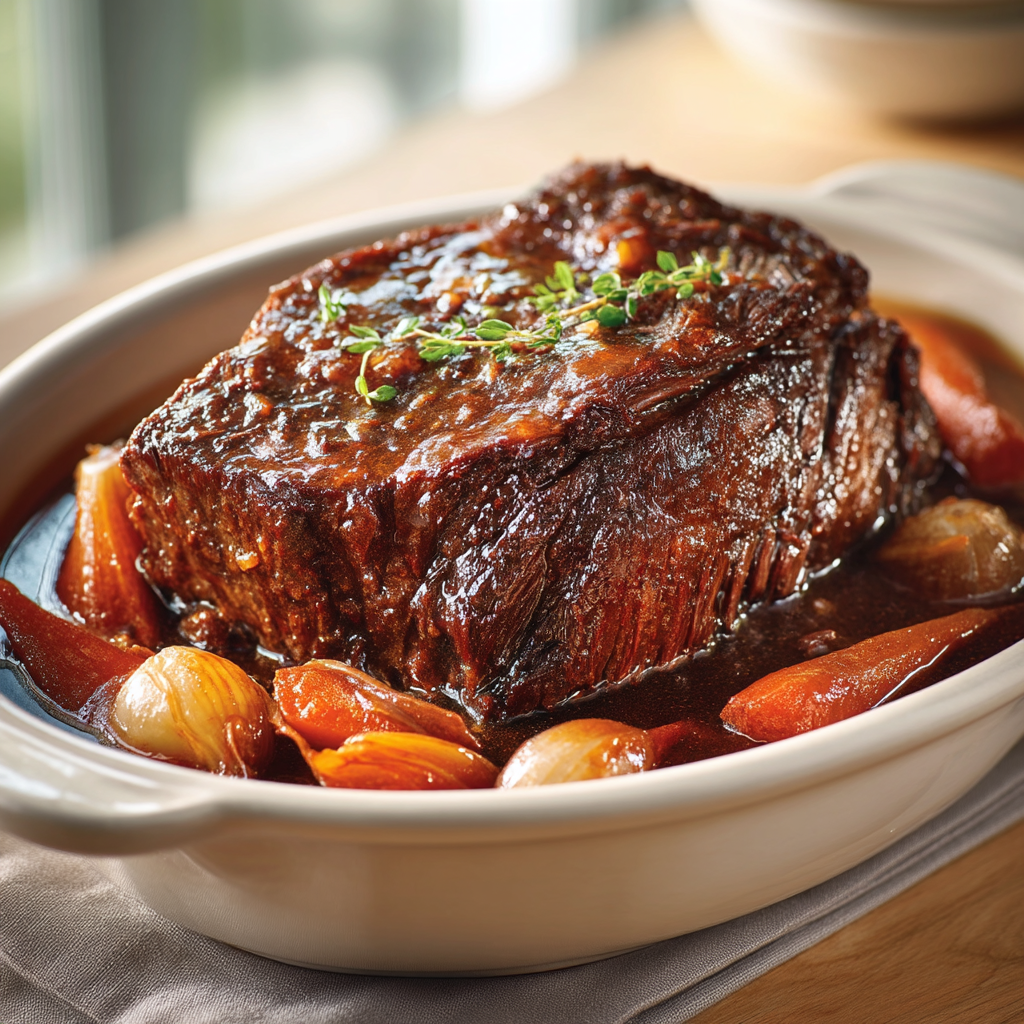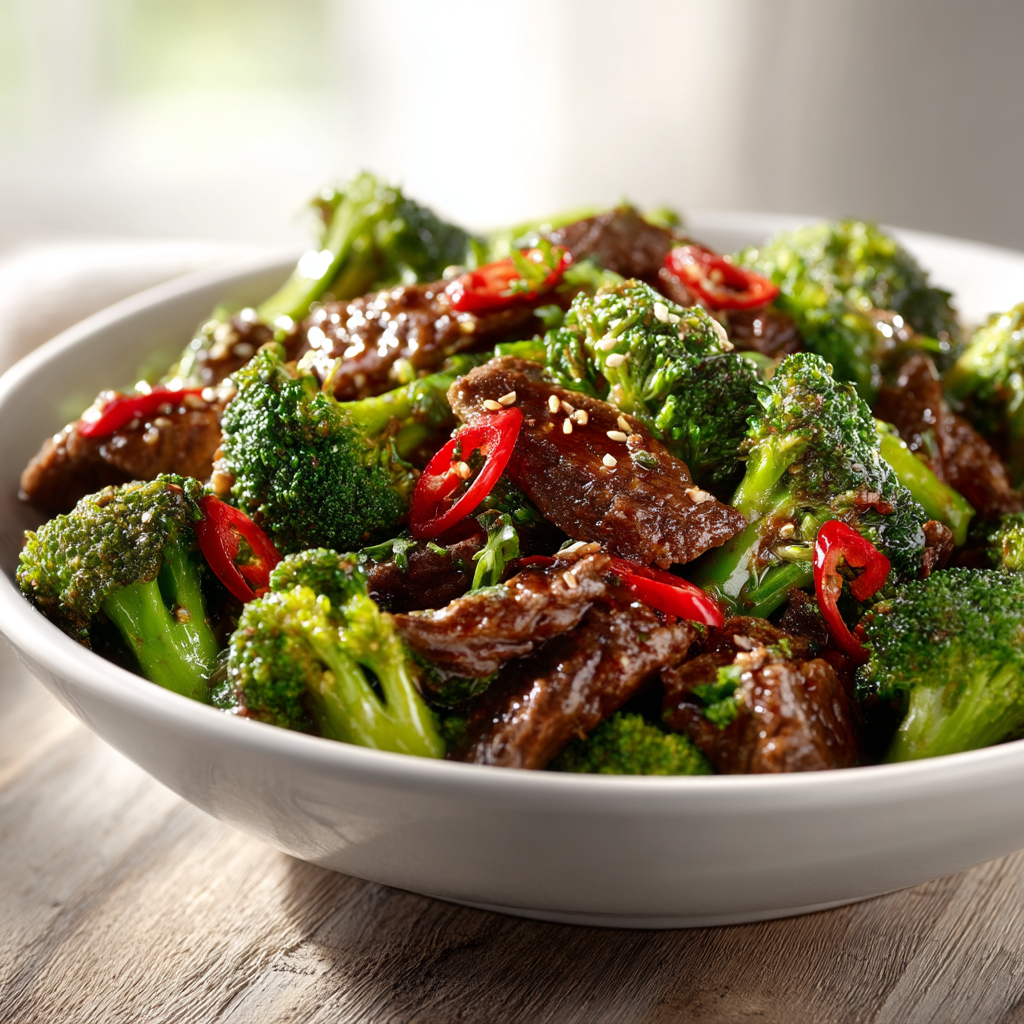
I’ve gotta tell you about this Sizzling Korean Beef that’s been my go-to when I want to impress dinner guests without sweating in the kitchen all day. The magic happens overnight while you sleep—a savory-sweet marinade working its way into every fiber of the meat. There’s something almost hypnotic about watching those beef cubes caramelize in a screaming hot pan, their edges crisping up while the inside stays perfectly juicy. Want to know my secret ingredient?
Why You’ll Love this Smoky Korean Beef
If you’re looking for a recipe that delivers huge flavor with minimal effort, this smoky Korean beef is about to become your new obsession. The overnight marinade does all the heavy lifting, infusing tender beef chunks with a perfect balance of soy sauce, cayenne heat, and nutty sesame oil.
What makes this dish irresistible? It’s the beautiful caramelization you get from high-heat cooking, creating edges that are slightly crispy while keeping the inside juicy. The sesame seeds add wonderful texture, while those green onions bring a fresh pop of color and flavor. Served over fluffy white rice that soaks up all that savory goodness? Pure comfort food heaven.
What Ingredients are in Smoky Korean Beef?
Korean beef is a flavor-packed dish that’s both savory and slightly sweet, with just a hint of heat from the cayenne pepper. The marinade is what gives this dish its distinctive character, combining the umami richness of soy sauce with aromatic sesame oil and seeds. It’s one of those recipes where the magic happens overnight in the refrigerator, as the beef absorbs all those wonderful flavors before being quickly cooked over high heat.
- 1 lb chuck boneless beef cubes
- ¼ cup soy sauce
- 1¼ teaspoons cayenne pepper
- 1 teaspoon garlic powder
- 1½ teaspoons vinegar
- 2 tablespoons sesame oil (or other oil)
- A dash of black pepper
- 1½ teaspoons sesame seeds
- 1 green onion, top sliced
- 2 cups long-grain white rice
When gathering ingredients for this Korean beef recipe, quality matters. For the best flavor profile, try to use toasted sesame seeds rather than raw, and don’t substitute the sesame oil if possible—it adds an authentic nutty flavor that’s hard to replicate. The type of vinegar isn’t specified, but rice vinegar would work perfectly in this Asian-inspired dish. As for the beef, chuck is specified because it has great flavor and enough fat to stay tender when quickly cooked at high temperatures. Could you use a different cut? Sure, but the texture might not be quite as satisfying as the original recipe intends.
How to Make this Smoky Korean Beef
Making Korean beef is surprisingly straightforward, though patience is definitely the secret ingredient here. Start by combining all your marinade components in a container large enough to hold the beef: ¼ cup soy sauce, 1¼ teaspoons cayenne (that’s where the heat comes from!), 1 teaspoon garlic powder, 1½ teaspoons vinegar, 2 tablespoons sesame oil, a dash of black pepper, and 1½ teaspoons sesame seeds. Give everything a good mix until well combined. Add your 1 pound of chuck boneless beef cubes to the marinade, making sure each piece gets nicely coated. Cover the container and pop it in the refrigerator overnight, or at the very minimum, 8 hours. This marinating time isn’t just a suggestion—it’s what transforms ordinary beef into that tender, flavor-infused Korean delicacy we’re aiming for.
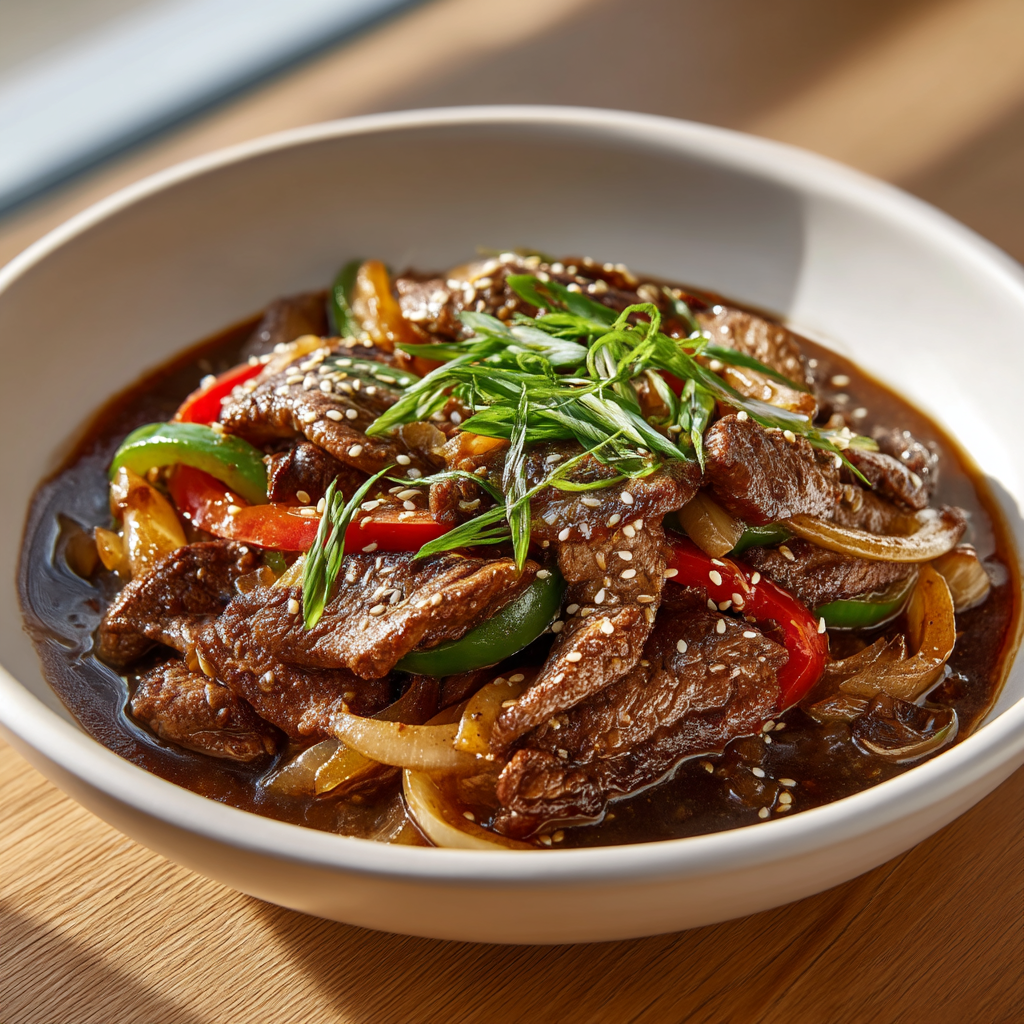
When you’re ready to cook, you have two excellent options. For the authentic smoky flavor (my preference, if we’re being honest), fire up the barbecue to high heat and quickly sear the marinated beef cubes for just one minute per side. The high heat creates a gorgeous caramelization without overcooking the meat. Don’t have access to a grill? No problem. Heat an iron skillet—or any heavy skillet you have—until it’s screaming hot, then toss in those marinated beef cubes and cook for about two minutes on each side. While the meat is finishing, quickly fry the sliced green onion tops and add the remaining marinade to the pan for extra flavor. Meanwhile, cook 2 cups of long-grain white rice according to package directions. When everything’s ready, serve the sizzling beef over a bed of fluffy white rice, and maybe garnish with a few extra sesame seeds if you’re feeling fancy? The combination of the tender beef, savory marinade, and neutral rice creates a balanced dish that’s sure to become a weeknight favorite.
Smoky Korean Beef Substitutions and Variations
While traditional Korean beef delivers incredible flavor, you’ll be happy to know this recipe welcomes substitutions based on what’s in your pantry.
Can’t find chuck beef? Flank steak, sirloin, or even ground beef work beautifully. No sesame oil? Regular vegetable oil plus extra sesame seeds can approximate that nutty flavor. Rice wine vinegar makes a lovely stand-in for regular vinegar, and brown sugar adds delightful caramel notes if you’re craving sweetness.
For a spicier kick, try gochujang paste instead of cayenne. And if you’re watching carbs, serve over cauliflower rice or alongside a crisp cucumber salad.
What to Serve with Smoky Korean Beef
The perfect side dishes can transform your smoky Korean beef from a tasty main dish into a complete, memorable meal. While the recipe already includes rice (that perfect canvas for soaking up that incredible marinade), I like to add a few more accompaniments.
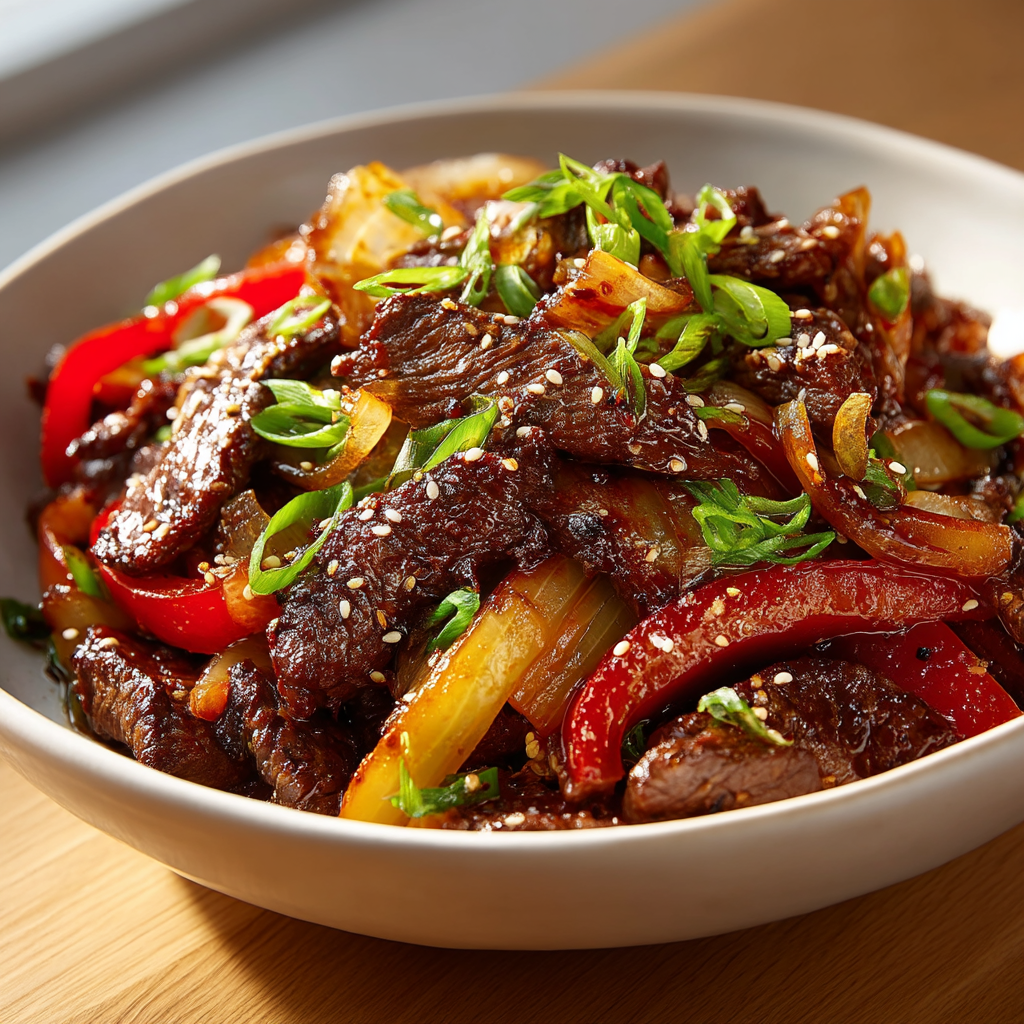
Try serving kimchi for that tangy crunch, or quick-pickled cucumbers with a touch of rice vinegar. Steamed or stir-fried vegetables like bok choy or broccoli provide a nice color contrast. And can we talk about those little Korean side dishes called banchan? They’re absolutely worth the extra effort, trust me.
Final Thoughts
As I’ve worked with this Korean beef recipe over time, I’ve come to appreciate its incredible balance of flavors. The combination of soy sauce, cayenne, and sesame creates this perfect harmony that transforms simple chuck beef into something truly special.
What makes this dish shine is its versatility. You can adjust the heat level, serve it with different sides, or even prep it ahead for busy weeknights. The overnight marinade is non-negotiable though—those flavors need time to meld.
Trust me, this recipe might become your go-to when you need to impress without spending hours in the kitchen. Korean beef, you’ve won my heart.
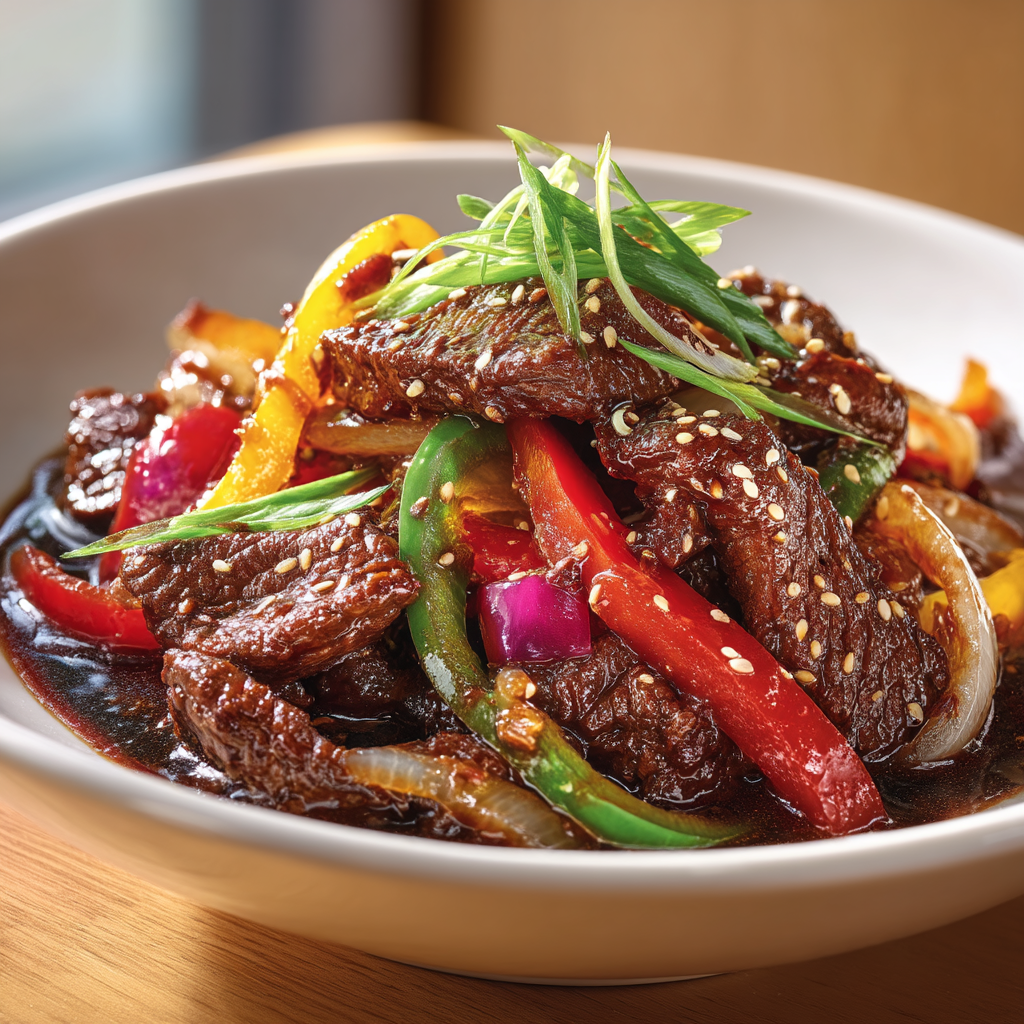
Sizzling Smoky Korean Beef with Overnight Marinade
Ingredients
Equipment
Method
- In a large container, mix soy sauce, cayenne pepper, garlic powder, vinegar, sesame oil, black pepper, and sesame seeds. Add beef cubes, coat well, cover, and refrigerate overnight or at least 8 hours.
- To cook, heat a grill to high or a heavy skillet until screaming hot. Cook marinated beef cubes for 1 minute per side on the grill or 2 minutes per side in the skillet until caramelized.
- While the beef cooks, fry the sliced green onion tops in the same pan and add any remaining marinade for extra sauce.
- Meanwhile, cook the rice according to package directions.
- Serve the sizzling beef and sauce over the cooked rice, garnishing with extra sesame seeds if desired.