
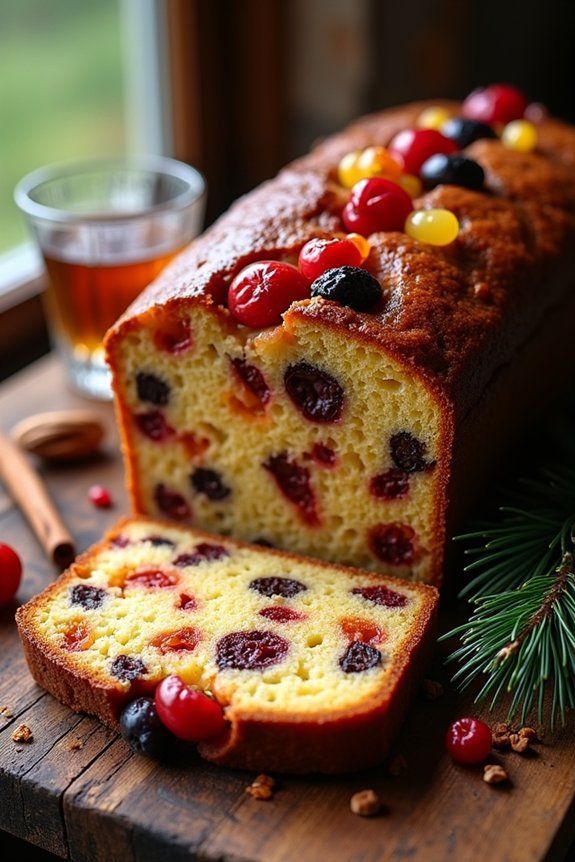
I’ve got a confession to make—fruitcake isn’t just that dense, much-maligned holiday doorstop we all joke about. My grandfather Tom’s recipe transformed my understanding of what fruitcake could be. Rich with brandy-soaked fruits, premium nuts, and warm spices, it’s become our family’s most treasured holiday tradition. The secret? It’s all in the aging process, which melds the flavors into something utterly decadent. Want to know what makes this version different from all those forgettable holiday bricks?
Why You’ll Love this Heritage Fruitcake
When my grandfather Tom Lester first handed down this fruitcake recipe, I knew I was receiving more than just a list of ingredients—I was inheriting a piece of family history. This isn’t your typical doorstop fruitcake that’s the butt of holiday jokes.
The generous mix of candied fruits, molasses, and premium nuts creates something truly special. Can you imagine the aroma of cinnamon, allspice, and nutmeg filling your kitchen? The aging process with brandy transforms it into something magical, rich with tradition. Perfect with coffee or, dare I suggest, a nip of whiskey.
What Ingredients are in Heritage Fruitcake?
Grandpa Tom Lester’s fruitcake recipe is a true heritage treasure, packed with an abundance of dried fruits, nuts, and warming spices that create a rich, dense cake perfect for holiday celebrations. This traditional recipe has likely been passed down through generations, and what makes it special is the careful balance of sweet fruits and crunchy nuts, all held together with a spiced batter. The ingredients list might seem overwhelming at first glance, but each component plays an important role in creating that classic fruitcake flavor and texture we all remember from grandma’s kitchen.
- 1 pound candied cherries
- 1 pound candied pineapple
- 1 pound citrus peel
- 1/2 pound candied orange peel
- 1 pound dried figs
- 1 pound pitted dates
- 1 pound raisins
- 1 pound currants
- 2 1/2 pounds pecans
- 1/4 pound black walnuts
- 12 eggs
- 1 pound butter or margarine, softened
- 4 cups all-purpose white flour
- 2 cups sugar
- 1 cup dark molasses (sorghum, ribbon cane, or blackstrap)
- 1/2 teaspoon baking soda, dissolved in the molasses
- 1 tablespoon ground cinnamon
- 1 teaspoon ground allspice
- 1/2 tablespoon ground cloves
- 1 tablespoon nutmeg
- 1 tablespoon vanilla extract
- Brandy or whiskey (for baking and aging)
When gathering ingredients for this spectacular fruitcake, quality matters tremendously. The fruits should be plump and moist, while the nuts should be fresh and not rancid. You might notice the recipe calls for several types of molasses—this flexibility allows you to adjust the flavor profile to your liking. Sorghum provides a milder, sweeter taste, while blackstrap delivers a more robust, slightly bitter flavor. And don’t skip the brandy or whiskey! While the alcohol itself evaporates during the aging process, it leaves behind complex flavors that make this fruitcake truly special. Can’t find some of these fruits at your local grocery? Specialty baking stores or online retailers often carry these traditional fruitcake ingredients, especially during the holiday season.
How to Make this Heritage Fruitcake
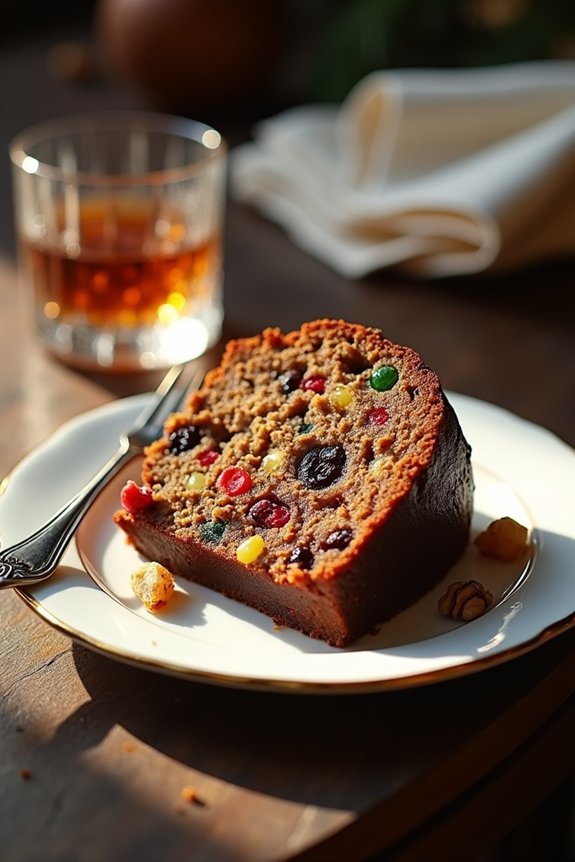
Making Grandpa Tom Lester’s fruitcake is a labor of love that begins with proper preparation. Start by preheating your oven to a very low 225 degrees—this gentle heat allows the cake to cook slowly and develop those complex flavors without burning the fruits and nuts. Before mixing anything, take time to chop all your fruits and nuts: the 1 pound of candied cherries, 1 pound of candied pineapple, 1 pound of citrus peel, 1/2 pound of candied orange peel, 1 pound of dried figs, 1 pound of pitted dates, 1 pound of raisins, 1 pound of currants, 2 1/2 pounds of pecans, and 1/4 pound of black walnuts. How small you chop them is really up to personal preference—some folks like bigger chunks for more texture, others prefer a finer mix.
Once your fruits and nuts are prepped, place them in a large container (a turkey roaster works perfectly) and set aside. Next, prepare your baking pans by coating 8 foil loaf pans with butter or vegetable oil spray, then line each with well-buttered foil or parchment paper. Now comes the mixing process, which requires a heavy-duty mixer to handle this substantial batter. Beat your 12 eggs in a large bowl and set aside. In your mixer, cream the 1 pound of softened butter, while simultaneously tossing just enough of your 4 cups of flour over the fruit-nut mixture to lightly coat each piece—this helps prevent all those goodies from sinking to the bottom of the cake. To the creamed butter, add the beaten eggs, 2 cups of sugar, 1 cup of dark molasses with the dissolved 1/2 teaspoon of baking soda, and all those wonderful spices: 1 tablespoon of ground cinnamon, 1 teaspoon of ground allspice, 1/2 tablespoon of ground cloves, 1 tablespoon of nutmeg, and 1 tablespoon of vanilla extract, plus 2/3 cup of brandy. Let your mixer do the hard work of combining everything thoroughly.
The final steps are what make this fruitcake truly special. Create a well in the center of your fruit-nut mixture and pour in the batter, then mix and knead it almost as if you were making bread—getting your hands dirty is part of the tradition! Pack this dense mixture firmly into your prepared pans, and place them in the oven with a shallow pan of water below to provide moisture during baking. The cakes need about 3 to 4 hours to bake properly, but start checking after 1 1/2 hours. When you notice small cracks forming across the top, that’s your signal they’re done. After cooling, the real magic happens—dab brandy liberally over each cake, then wrap individually in wax paper and aluminum foil, followed by newspaper. Store in a cool place for at least a month to age properly, allowing the flavors to meld and mature. During this time, the alcohol evaporates, leaving behind only its beautiful flavor and aroma. Worth every minute of the wait, I promise.
Heritage Fruitcake Substitutions and Variations
While we’ve covered the traditional preparation of Grandpa Tom’s cherished recipe, this heritage fruitcake offers plenty of room for personal touches and adaptations.
Don’t have black walnuts? Regular walnuts work beautifully. You might consider swapping in dried apricots or cranberries for some of the candied fruit—they add a lovely tartness. The liquor is customizable too; rum creates a more tropical profile than brandy, while bourbon adds smoky notes.
For dietary needs, you can substitute margarine for butter, and gluten-free flour works surprisingly well. Some bakers reduce the sugar by a quarter without sacrificing that iconic sweetness.
The beauty of heritage recipes? They evolve with each generation.
What to Serve with Heritage Fruitcake
A perfect fruitcake deserves perfect companions, and Grandpa Tom’s heritage recipe is no exception. I love pairing this rich, dense cake with a steaming cup of strong black coffee or Earl Grey tea to balance the sweetness.
For something more festive, try a small glass of sherry, port, or even bourbon—they complement those brandy notes beautifully. Not a drinker? A glass of sparkling apple cider works wonderfully too.
For the ultimate holiday experience, serve thin slices alongside vanilla bean ice cream. The cold creaminess against that spicy, fruity density? Heaven on a plate.
Final Thoughts
This cherished fruitcake recipe from Grandpa Tom Lester has stood the test of time for good reason. The rich blend of fruits, nuts, and spices creates a holiday masterpiece that improves with age, much like a fine wine.
I can’t help but admire how this traditional recipe captures the essence of holiday baking—patience, quality ingredients, and the spirit of sharing. The month-long aging process might seem intimidating, but isn’t anything truly special worth waiting for?
Whether you’re continuing a family tradition or starting a new one, this fruitcake delivers more than just flavor—it offers a slice of heritage.