
Ever wondered how to transform basic ingredients into a comforting German classic? Spätzle might look simple, but these little dumplings pack serious flavor and technique. I’m about to show you how to create authentic, pillowy spätzle that’ll make your kitchen smell like a traditional German home. Curious about mastering this rustic comfort food that pairs perfectly with hearty mains? Stick around, because we’re about to break down every delicious detail.
Why You’ll Love this Authentic German Spatzle
If you’re craving a comforting, homemade dish that’ll transport your taste buds straight to Germany, search no further than spätzle. These tender, rustic dumplings are pure culinary magic—simple ingredients transformed into something extraordinary. Ever wondered how a few basic pantry staples can become such a delightful comfort food? Spätzle’s beauty lies in its simplicity: flour, eggs, and milk whisked together, then lovingly scraped or pressed into boiling water. Crispy when sautéed, pillowy when served straight from the pot, these little noodle-dumplings are versatile enough to complement any main course. Trust me, one bite and you’ll be hooked.
What Ingredients are in Authentic German Spatzle?
German spätzle is a beloved comfort food that brings warmth and nostalgia to the dinner table. These tiny, irregular dumplings are a staple in traditional German cuisine, offering a delightful texture and simple, hearty flavor that makes them irresistible.
Ingredients:
- 1 cup all-purpose flour
- 1/4 teaspoon salt
- 1/4 cup milk (or water)
- 2 eggs
When preparing spätzle, the quality of ingredients matters tremendously. While the recipe seems simple, using fresh, high-quality eggs and taking care with the mixing technique can elevate these humble dumplings from good to absolutely spectacular. Some home cooks might experiment with adding a touch of nutmeg or using half semolina flour for extra texture, but this classic recipe captures the authentic German spätzle experience perfectly.
How to Make this Authentic German Spatzle
Making spätzle is easier than you might think, and definitely more fun than wrestling with complicated pasta techniques. Start by sifting 1 cup of flour with 1/4 teaspoon of salt into a mixing bowl – this helps break up any lumps and guarantees a smooth dough. Then, crack 2 eggs into the flour and pour in 1/4 cup of milk (or water, if you prefer). Using a whisk or wooden spoon, beat the mixture by hand until it becomes a smooth, slightly sticky batter. The consistency should be thick enough to hold its shape but still drop easily from a spoon.
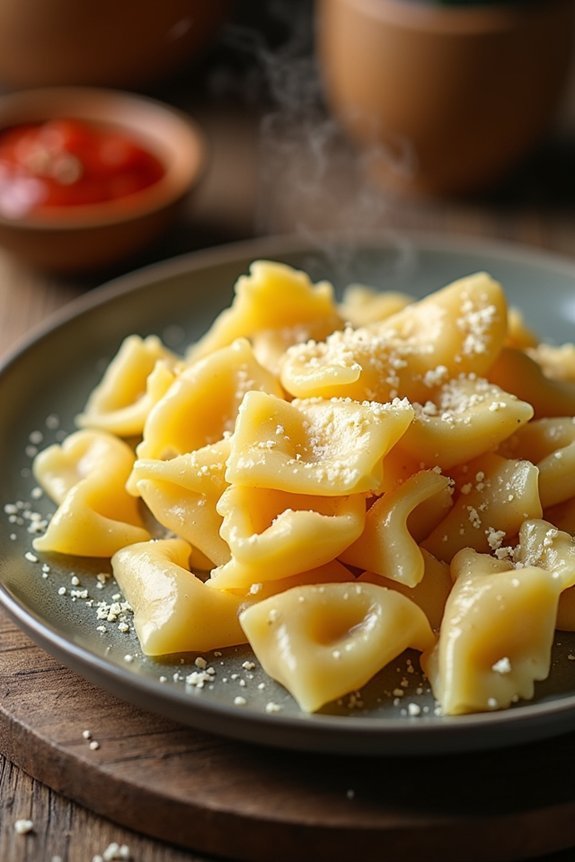
Now comes the most enjoyable part: creating those adorable little spätzle dumplings. Grab a wooden cutting board and a sharp knife, or a large-holed colander if you’re feeling traditional. Scoop small amounts of the dough onto the board and use your knife to scrape tiny, irregular pieces directly into a pot of salted, rapidly boiling water. Some might be long, some might be chunky – that’s the beauty of homemade spätzle. Let each batch cook for about one minute, or until they float to the surface. Use a slotted spoon to remove them, allowing excess water to drain.
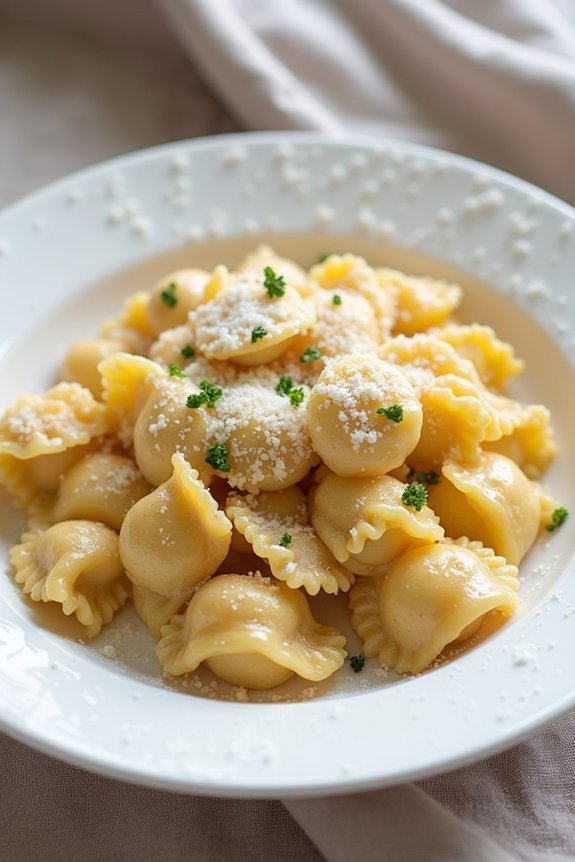
For the final touch, which transforms good spätzle into great spätzle, quickly sauté the dumplings in a bit of butter until they’re lightly golden. Sprinkle some freshly grated parmesan cheese over the top, and you’ve got a side dish that’ll make even picky eaters swoon. Pro tip: work in small batches to prevent overcrowding the pot, which can make your spätzle stick together or cook unevenly. Serve immediately for the best texture – these little dumplings wait for no one.
Authentic German Spatzle Substitutions and Variations
Though spätzle traditionally follows a classic recipe, creative cooks can definitely play around with delicious variations that’ll make your taste buds dance. Want to mix things up? Try whole wheat flour for a nuttier profile, or swap in herbs like chives or parsley for extra flavor. Spinach spätzle brings gorgeous green color and nutrients, while adding grated cheese directly into the dough creates rich, tangy bites. You could even experiment with alternative flours like chickpea or almond for gluten-free options. The beauty of spätzle is its adaptability – so don’t be afraid to get a little wild in the kitchen.
What to Serve with Authentic German Spatzle
When it comes to serving spätzle, you’ll want side dishes that complement its soft, pillowy texture and rich flavor. Traditional German mains like schnitzel, sauerbraten, and goulash pair wonderfully with these delicate dumplings. Roasted meats, particularly pork and chicken, create a hearty meal that’ll warm your soul. Vegetable sides like caramelized onions, sautéed mushrooms, or roasted root vegetables add depth and balance. Want something green? Try braised red cabbage or steamed asparagus. Pro tip: a simple gravy or brown butter sauce can elevate spätzle from good to mind-blowingly delicious.
Final Thoughts
If you’ve made it this far in the spätzle journey, you’re probably wondering whether all this effort is worth it. Trust me, it absolutely is. These little German dumplings aren’t just food; they’re comfort wrapped in a tender, slightly chewy package. The magic happens when you transform simple ingredients into something extraordinary. Whether you’re serving them alongside a hearty roast or enjoying them as a standalone dish, spätzle feels like a warm hug from your favorite German grandmother. Seriously, who could resist that.