
I’ve been obsessed with the perfect focaccia for years—that ideal balance of crispy exterior and pillowy, airy interior. There’s something magical about dimpling dough with your fingertips, watching olive oil pool in those little divots, then sprinkling flaky sea salt on top. Making this rustic Italian bread at home isn’t just doable, it’s surprisingly simple. Ready to discover how a handful of basic ingredients can transform into something that’ll make your kitchen smell like an Italian bakery?
Why You’ll Love this Homemade Focaccia
When you’re craving something that’s both simple to make and incredibly satisfying, this rustic Italian focaccia should be at the top of your list. The magic lies in its perfect balance of textures—that crispy, olive oil-kissed exterior giving way to a pillowy, airy interior.
I love how versatile this bread is. Want to impress dinner guests? Add roasted red peppers before baking. Need a sandwich base? Slice it horizontally. Craving a snack? Just tear off a piece and enjoy.
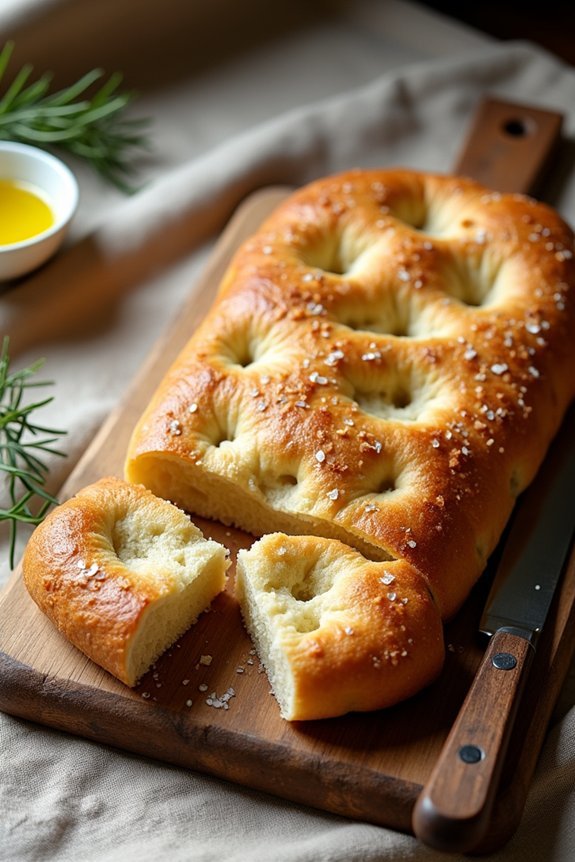
And those dimples? They’re not just for show. They create little pools for the olive oil and sea salt to nestle into, creating flavor pockets in every bite.
What Ingredients are in Homemade Focaccia?
There’s something magical about the aroma of homemade focaccia bread wafting through your kitchen. This rustic Italian flatbread has been a staple in Italian cuisine for centuries, and for good reason. It’s incredibly versatile, surprisingly simple to make, and absolutely bursting with flavor. The beauty of focaccia lies in its perfect balance of a crispy exterior and a soft, airy interior – all achieved with just a handful of basic ingredients you probably already have in your pantry.
- 3¼ cups unbleached flour
- 2 tablespoons fast rising yeast
- 1 teaspoon salt
- 3 tablespoons extra virgin olive oil (plus extra for brushing)
- 1¼ cups warm water (approximately)
- Sea salt for topping
When selecting ingredients for your focaccia, quality really does matter. Try to use the best olive oil you can afford, as it contributes greatly to the final flavor. The sea salt sprinkled on top isn’t just for show – it provides those delightful little bursts of saltiness with each bite. And while the recipe mentions roasted red peppers as an optional topping, don’t be afraid to get creative. Fresh herbs like rosemary or thyme, caramelized onions, or even cherry tomatoes can transform this simple bread into something truly spectacular. Remember, the best focaccia reflects the season and your personal taste.
How to Make this Homemade Focaccia
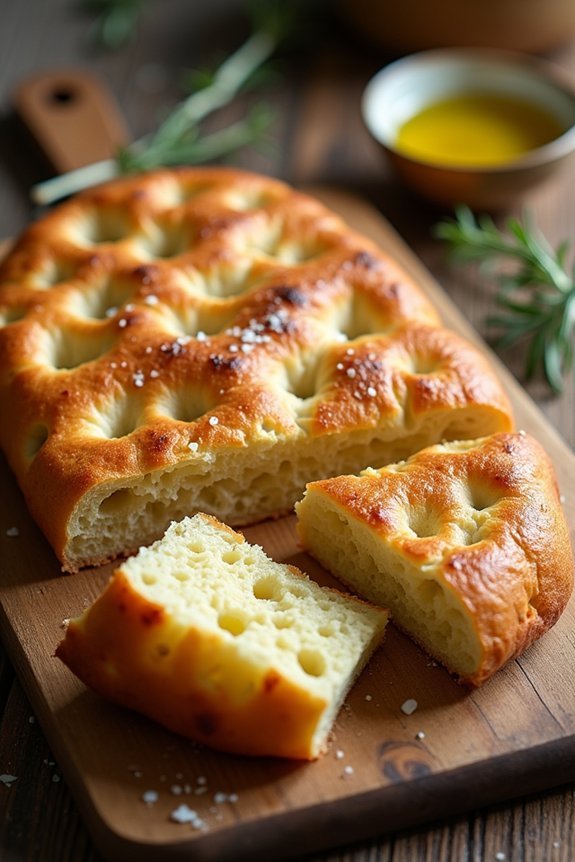
Making focaccia is much simpler than many people realize. Start by combining 3¼ cups unbleached flour, 2 tablespoons fast rising yeast, and 1 teaspoon salt in a large bowl. The magic happens when you give these dry ingredients a good stir with a wooden spoon to make sure everything’s well distributed. Next, add 3 tablespoons of extra virgin olive oil—this is where the rich flavor begins to develop. While stirring continuously, gradually add about 1¼ cups warm water until the flour absorbs and a cohesive dough forms. Don’t worry if you need slightly more or less water; dough can be temperamental depending on the humidity in your kitchen.
Now comes the fun part—kneading! Transfer your dough to a floured surface and work it with your hands for about 10 minutes until it becomes soft and elastic, but not sticky. There’s something so therapeutic about feeling the dough transform under your fingertips, don’t you think? Place the kneaded dough in a lightly oiled, warmed bowl, turning it a few times to coat all sides with oil. Cover with plastic wrap and let it rise in a warm spot until doubled in size, which takes anywhere from 45 to 75 minutes. Meanwhile, position your oven rack to the lower part and preheat to 400 degrees. Brush a 10×15 baking pan with olive oil so your focaccia won’t stick.
Once the dough has doubled, punch it down (quite satisfying, I must admit) and transfer it back to your floured surface for a quick knead. After a brief 5-minute rest, shape it into a rectangle and transfer to your prepared pan. This is where patience comes in—gently stretch and pat the dough to fill the pan completely and evenly. Cover again and let rise for about 30 minutes until it’s about an inch higher. Now for the signature focaccia touch: use your fingertips to create dimple indentations about 2 inches apart across the entire surface. Brush generously with olive oil and sprinkle with sea salt—please don’t skip this step, as it’s what gives focaccia its characteristic flavor and appearance. Bake for 30-40 minutes until golden brown, then let cool briefly before cutting into squares and serving warm. The contrast between the crispy, olive oil-infused exterior and the soft, airy interior? Absolutely worth every minute of preparation.
Homemade Focaccia Substitutions and Variations
While traditional focaccia is a masterpiece in its simple form, the beauty of this rustic Italian bread lies in its versatility and adaptability. I’m constantly amazed by how easily this recipe transforms with just a few tweaks.
Try adding roasted garlic, caramelized onions, or sun-dried tomatoes into the dough before baking. Can’t find sea salt? Kosher salt works wonderfully, too. For herb lovers, rosemary, thyme, or oregano sprinkled on top creates Mediterranean magic.
Don’t have all-purpose flour? Substitute up to half with whole wheat for a nuttier profile. Vegans can skip brushing with butter and stick with olive oil throughout.
What to Serve with Homemade Focaccia
Homemade focaccia deserves worthy companions that highlight its rustic charm and distinctive flavor profile. I love pairing this olive oil-enriched bread with Mediterranean classics like tomato-basil soup or a robust minestrone. Can you imagine dipping that sea salt-topped crust into warm soup?
For a simple appetizer spread, try offering focaccia alongside a selection of Italian cheeses, cured meats, and marinated vegetables. A nice burrata with roasted tomatoes, anyone? And don’t forget good olive oil mixed with balsamic vinegar for dipping—this combination brings out focaccia’s complex flavors in ways you wouldn’t believe.
Final Thoughts
After mastering this rustic Italian focaccia, I’ve come to appreciate how simple ingredients transform into something extraordinary with just a bit of time and care. The magic happens in those little dimples, catching pools of olive oil and crunchy sea salt.
What I love most about focaccia? Its versatility. Serve it alongside pasta, use it for sandwiches, or just tear off pieces while it’s still warm from the oven. Heaven.