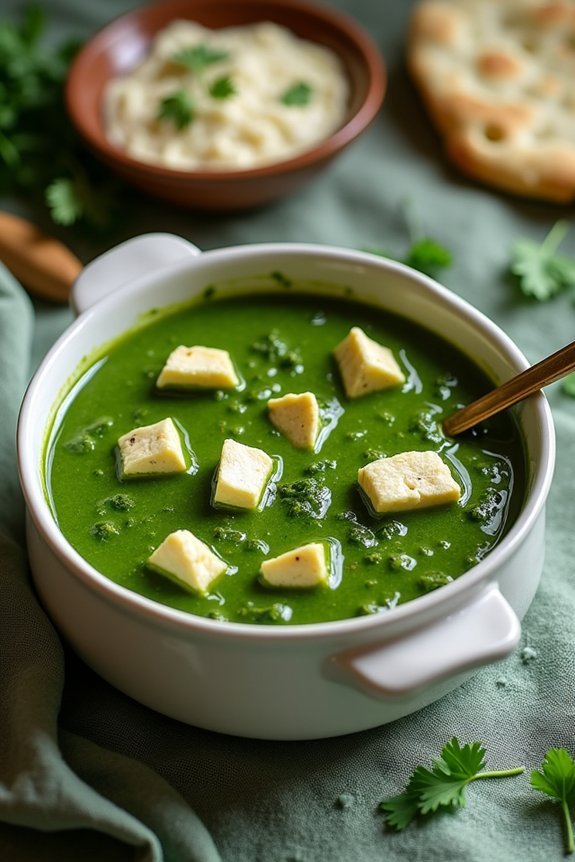

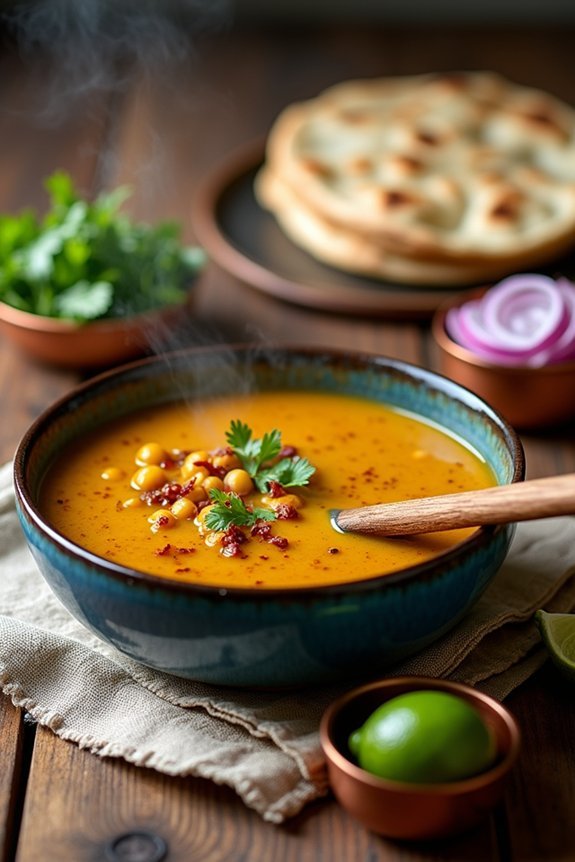
I’ve always believed that true comfort food speaks to the soul, and few dishes do it better than a steaming bowl of aromatic Indian dal. There’s something magical about the way those humble lentils transform when simmered with onions, ginger, and fragrant spices. It’s not just a meal—it’s a warm hug at the end of a long day. Want to know my secret for making dal that’ll have your kitchen smelling like a little corner of Mumbai?
Why You’ll Love this Aromatic Dal
If you’ve been searching for a comforting, flavor-packed dish that’s both easy to prepare and satisfying to eat, this aromatic Indian dal is about to become your new favorite. I’m talking about a one-pot wonder that fills your kitchen with the most intoxicating fragrance of curry, cumin, and ginger.
What makes this dal so special? It’s incredibly versatile (serve it over rice or with naan), budget-friendly (lentils cost pennies), and packed with protein. Plus, it stores beautifully for days, actually improving in flavor as it sits. Perfect for busy weeknights when you want something nourishing without the fuss.
What Ingredients are in Aromatic Dal?
Aromatic Indian dal is a comforting, soul-warming dish that brings together protein-rich lentils with a symphony of spices. The beautiful thing about dal is how it transforms humble ingredients into something absolutely magical through slow simmering, allowing all those complex flavors to meld together. It’s the kind of dish that fills your kitchen with the most enticing aroma, making everyone wonder what’s cooking on the stove.
- 1 lb dried lentils, rinsed and picked over
- 1 onion, roughly chopped
- 2-inch piece fresh ginger, peeled and minced
- 3 garlic cloves, minced
- 1 tablespoon curry powder (hot or mild, your preference)
- 2 teaspoons ground cumin
- 2 dried red chilies (or hot red pepper flakes or cayenne pepper, to taste)
- 3-4 tomatoes, cored and roughly chopped
- Salt and black pepper, to taste
- Water (enough to cover the ingredients)
When gathering ingredients for your dal, the quality of your spices really matters. Fresh, aromatic spices will elevate this dish from good to extraordinary. You might consider toasting whole cumin seeds and grinding them yourself for an extra depth of flavor. The heat level is entirely customizable, too—if you’re cooking for spice-lovers, go ahead and add those dried chilies with abandon. For a milder version, reduce the heat elements or remove the seeds from your chilies. And while this recipe calls for standard brown lentils, you could experiment with red lentils for a softer, creamier texture, or try a mix of different types for varied texture. That’s the beauty of dal—it welcomes your personal touch.
How to Make this Aromatic Dal
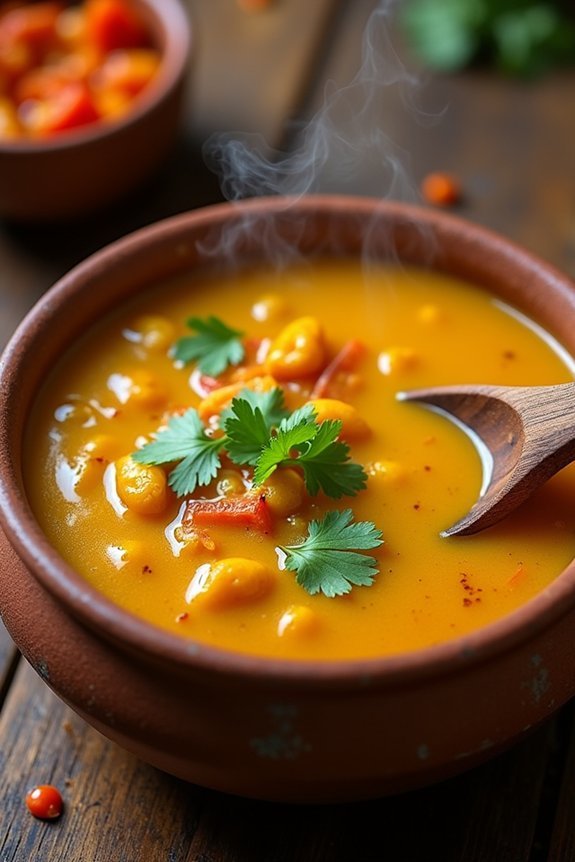
Making dal is wonderfully straightforward—one of those magical one-pot wonders that practically cooks itself. Begin by giving your 1 pound of dried lentils a good rinse under cold water, picking out any stones or debris that might be hiding among them. Then, in a large pot, combine those clean lentils with your roughly chopped onion, 2-inch piece of peeled and minced ginger, and 3 minced garlic cloves. These aromatics create the foundation of flavor that makes this dish so irresistible.
Next, sprinkle in the spices that give dal its distinctive character: 1 tablespoon of curry powder (go hot or mild depending on your heat tolerance), 2 teaspoons of ground cumin, and 2 dried red chilies for that gentle warmth that builds with each spoonful. Add your 3-4 roughly chopped tomatoes, which will break down during cooking to create a rich, slightly tangy base. Pour in enough water to cover everything completely—the lentils will absorb quite a bit as they cook. Bring this colorful mixture to a boil over high heat, then reduce to a steady simmer. Not too violent, mind you, just a gentle bubble that keeps things moving. Let this simmer for about an hour, stirring occasionally to prevent any sticking on the bottom. The lentils will gradually soften, the spices will bloom, and the whole pot will transform into a thick, aromatic stew. When the lentils have reached that perfect tender consistency, season with salt and black pepper to taste. You can serve it immediately, but honestly? It gets even better after a day in the fridge, when all those flavors have had time to really get to know each other.
Aromatic Dal Substitutions and Variations
The beauty of this classic Indian dal lies in its flexibility—you don’t need to follow the recipe with military precision to create something delicious. I often swap red lentils for brown, or try split peas for a different texture. No fresh tomatoes? Canned work perfectly. Sometimes I throw in a handful of spinach during the last five minutes, or add a splash of coconut milk for creaminess. Spice lovers might increase the chilies, while those seeking warmth without heat can add turmeric and garam masala instead. The variations are endless, which is why dal remains my go-to comfort food—it adapts to whatever’s in my pantry.
What to Serve with Aromatic Dal
Companions for your aromatic dal can transform this humble lentil dish into a complete feast that satisfies all your senses. I always recommend fluffy basmati rice or warm naan bread for soaking up those rich, spiced juices. Can you imagine tearing off a piece of garlic naan and scooping up that golden goodness?
For a fuller meal, try adding a simple cucumber raita (yogurt side dish), a bright kachumber salad, or some crispy papadums. These cooling elements balance the warming spices in your dal. Trust me, the contrast of temperatures and textures makes each bite more interesting.
Final Thoughts
Although cooking dal might seem intimidating at first, I’m confident you’ll find it’s one of the most forgiving and rewarding dishes in your culinary repertoire. The beauty of dal lies in its simplicity—humble ingredients transformed into something truly nourishing.
Remember, this recipe is merely a foundation. Feel free to adjust the spices to suit your taste. More ginger for warmth? Why not. Extra chili for heat? Go for it.
Dal improves with time, making it perfect for meal prep. Imagine coming home to a ready-made bowl of comfort after a long day. Isn’t that what good cooking is all about?