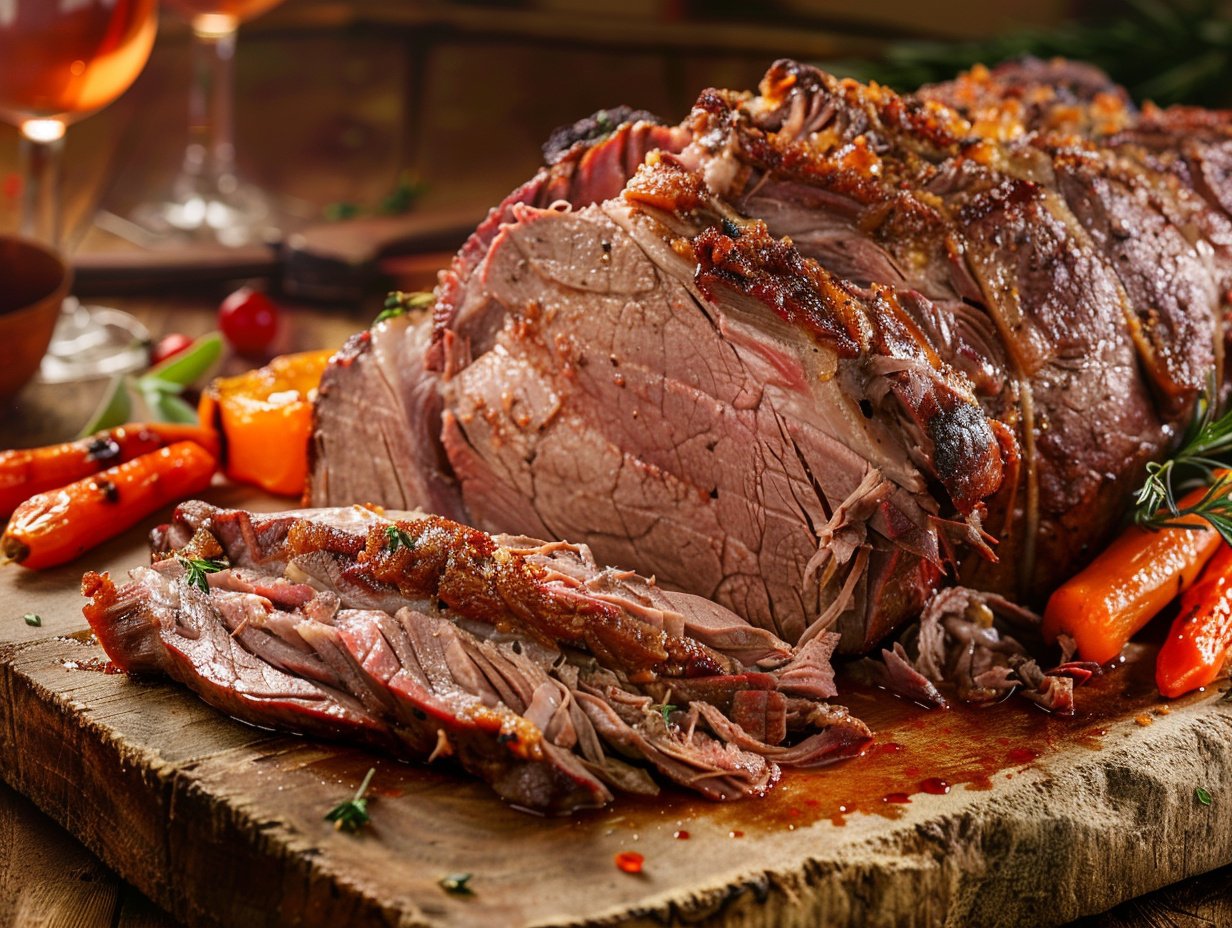

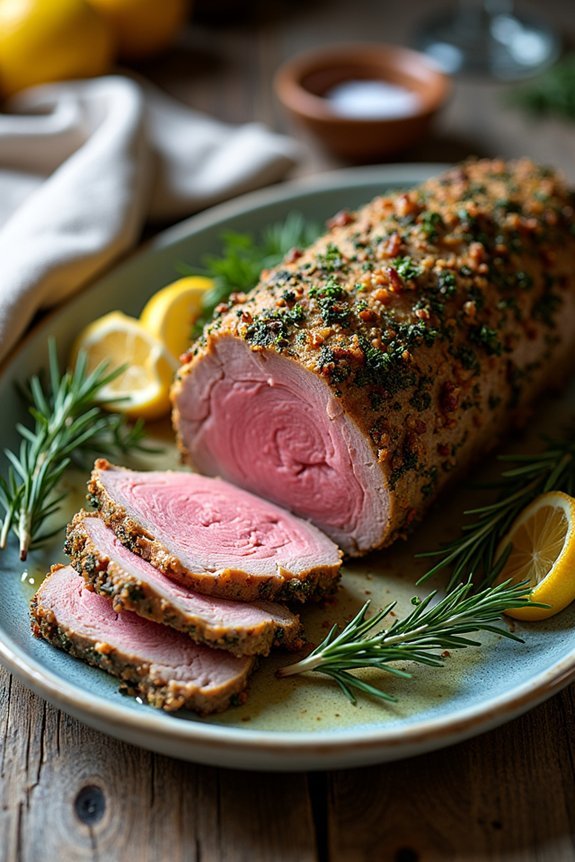
I’ve always been mesmerized by the simple magic of lamb rubbed with fresh herbs. There’s something almost transportive about the way rosemary, thyme, and parsley cling to that tender meat, creating a crust that’s both fragrant and flavorful. When you slice into a perfectly roasted boneless lamb leg, watching those aromatic juices pool on the plate, you’re experiencing Mediterranean cooking at its finest. Want to know my secret to achieving that restaurant-quality herb crust at home?
Why You’ll Love this Herb-Crusted Lamb Leg
While many home cooks feel intimidated by lamb, this Mediterranean-inspired recipe will quickly become your new favorite showstopper. The magic lies in that perfect balance of fresh herbs—parsley, rosemary, and thyme—creating a crust that’s bursting with flavor.
What makes this recipe truly special? It’s surprisingly simple. Just olive oil, herbs, and a gentle roast. The slow cooking at 325°F guarantees the meat stays tender, pink, and juicy in the center. And can we talk about that aroma? Your kitchen will smell like a Tuscan hillside. Trust me, your guests won’t believe you made something this impressive.
What Ingredients are in Herb-Crusted Lamb Leg?
This Mediterranean lamb leg recipe is all about simplicity and letting the natural flavors shine. A boneless leg of lamb becomes the perfect canvas for aromatic herbs that create a crust of flavor as it roasts. The Mediterranean influence comes through in the combination of fresh herbs and olive oil, which infuse the meat with bright, earthy notes during cooking.
- 2 pounds boneless leg of lamb
- Olive oil (for generous rubbing)
- 1 cup fresh parsley, chopped
- 1 teaspoon fresh rosemary
- 1 teaspoon fresh thyme
- Salt, to taste
- Pepper, to taste
When shopping for ingredients, the quality of your lamb will make all the difference in this dish. Try to find a well-trimmed boneless leg from a reputable butcher if possible. As for the herbs, fresh is absolutely essential here—dried herbs simply won’t create the same vibrant flavor profile or beautiful crust. And don’t skimp on the olive oil, either. A good-quality extra virgin olive oil adds its own subtle flavor that complements the lamb perfectly. The measurements are fairly flexible, so you can adjust the herb amounts based on your preference for stronger or milder flavors.
How to Make this Herb-Crusted Lamb Leg
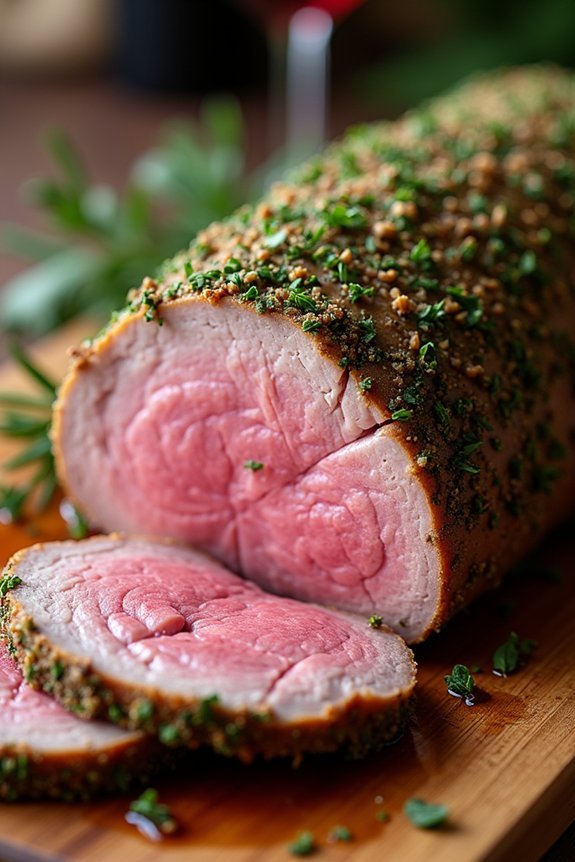
Preparing this Mediterranean lamb leg is wonderfully straightforward. Start by generously rubbing your 2-pound boneless leg of lamb with olive oil—and when I say generous, I mean don’t hold back. This oil serves as both flavor and the “glue” that helps all those gorgeous herbs stick to the meat. The oil also helps the lamb develop that beautiful golden crust we’re after. Who doesn’t love that contrast between the herby exterior and the tender meat inside?
Next comes the fun part—the herb mixture. Combine 1 cup of chopped fresh parsley with 1 teaspoon each of fresh rosemary and thyme, then add a pinch of salt and pepper. Evenly distribute this aromatic blend all over the lamb, pressing gently to adhere. Some herbs might fall off, but that’s perfectly normal. The fragrance alone as you’re doing this step is enough to make your kitchen smell like a Mediterranean bistro. Place the seasoned lamb on a rack in a roasting pan—the rack is important as it allows air to circulate underneath the meat for even cooking.
Preheat your oven to 325 degrees Fahrenheit. This moderate temperature is ideal for lamb, allowing it to cook through gently without drying out. The lamb needs about 30 minutes per pound, so your 2-pound leg should roast for approximately one hour. But rather than just relying on time, use a meat thermometer inserted into the thickest part to check when the internal temperature reaches 120 to 130 degrees. This temperature range yields a beautiful medium-rare result with a warm pink center. Once done, let the lamb rest for at least 10 minutes before slicing, which gives the juices time to redistribute throughout the meat for maximum tenderness. The resting period is non-negotiable, trust me on this one.
Herb-Crusted Lamb Leg Substitutions and Variations
Although the Mediterranean herb blend in this recipe creates a classic flavor profile, you’ve got plenty of options for customizing your lamb leg to suit different tastes or what’s available in your pantry.
I’m a huge fan of switching up the herbs – mint makes a revitalizing alternative to parsley, or try oregano for a stronger Mediterranean twist. Garlic lovers can add 4-5 minced cloves to the herb mixture. Don’t have fresh herbs? Dried will work in a pinch (just use one-third the amount). For a Moroccan-inspired variation, I’d recommend adding cumin, coriander, and a touch of cinnamon to the rub.
What to Serve with Herb-Crusted Lamb Leg
A perfectly roasted lamb leg deserves equally impressive side dishes to create a memorable Mediterranean feast. I recommend serving it with roasted potatoes tossed in olive oil and the same herbs used in your lamb rub—rosemary and thyme create a beautiful harmony of flavors.
A bright Greek salad with feta, cucumbers, and tomatoes offers a revitalizing contrast to the rich meat. Can you imagine that tangy tzatziki sauce drizzled over each bite? Divine.
For a complete spread, add some warm pita bread and a side of grilled vegetables like zucchini and bell peppers. The colors alone will make your dinner guests swoon.
Final Thoughts
When you’ve mastered this Mediterranean lamb leg recipe, you’ll have a showstopper dish that brings the sunshine of coastal flavors right to your dining table. The combination of fresh herbs creates a fragrant crust that’ll have everyone asking for your secret.
Remember, patience is key with lamb. That slow roast at 325 degrees allows the flavors to penetrate deeply while keeping the meat tender, pink, and juicy. Don’t rush it.
What I love most? This recipe’s versatility. Serve it for special occasions or casual Sunday dinners. Either way, it transforms an ordinary meal into a Mediterranean getaway. No passport required.