
I’m about to share my absolute favorite beef brisket recipe that’ll make your dinner guests weak at the knees. There’s something magical about the transformation that happens when a tough cut of meat surrenders to low, slow heat. The process isn’t complicated, but the results? Nothing short of spectacular. Tender, juicy meat that practically melts on your fork, with flavors that develop into something so rich and complex, you’ll wonder why you haven’t been cooking brisket this way all along.
Why You’ll Love this Tender Fall-Apart Beef Brisket
Why do home cooks often struggle with tough, chewy brisket when it should be melt-in-your-mouth tender? The secret lies in low, slow cooking that breaks down those stubborn connective tissues. This recipe transforms a notoriously difficult cut into something magical—a brisket so tender you can pull it apart with just a fork.
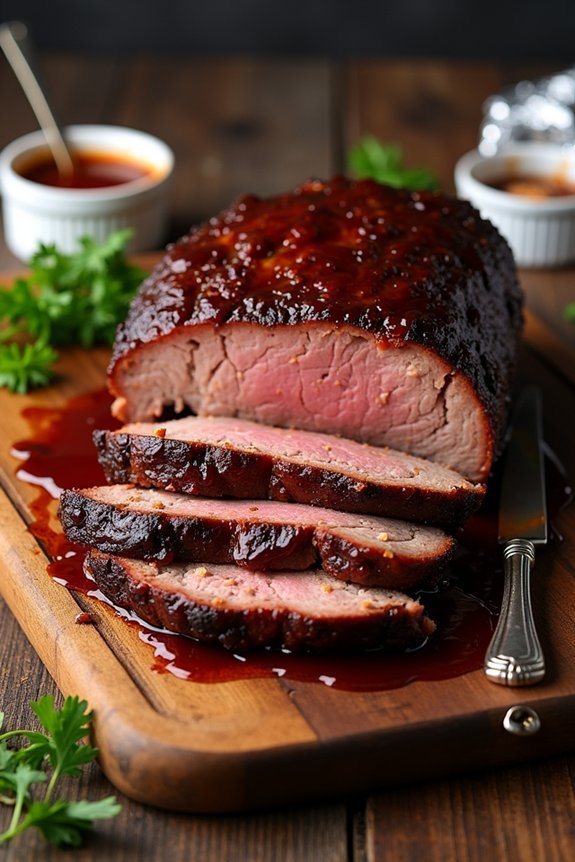
I’m obsessed with how the tangy barbecue and soy sauce blend creates this perfect savory-sweet balance that penetrates deep into the meat. And the aluminum foil wrap? That’s your insurance policy against dryness. Trust me, your family will think you’ve been taking secret cooking classes.
What Ingredients are in Tender Fall-Apart Beef Brisket?
Creating a tender, fall-apart beef brisket doesn’t require a cabinet full of exotic ingredients. In fact, the beauty of this classic dish lies in its simplicity. Just a handful of basic components come together to transform a tough cut of meat into something meltingly tender that’ll have everyone at the table reaching for seconds. The magic happens when these simple ingredients get to work during the long, slow roasting process.
- 3-4 pounds beef brisket
- 3/4 cup barbecue sauce
- 1/4 cup soy sauce
- 1 cup water
- Aluminum foil (for wrapping)
- Optional: 1 teaspoon flour and an oven roasting bag (alternative cooking method)
While the ingredient list is straightforward, don’t underestimate the importance of quality. Look for a brisket with good marbling throughout, as those streaks of fat will render during cooking and keep your meat moist. The barbecue sauce choice matters too—use your favorite brand or homemade version for best results. Some cooks might consider adding extra seasonings like garlic powder, onion powder, or a touch of liquid smoke for deeper flavor, but honestly? The basic recipe creates such wonderful results that extras aren’t necessary. Sometimes the simplest approach yields the most satisfying outcome.
How to Make this Tender Fall-Apart Beef Brisket
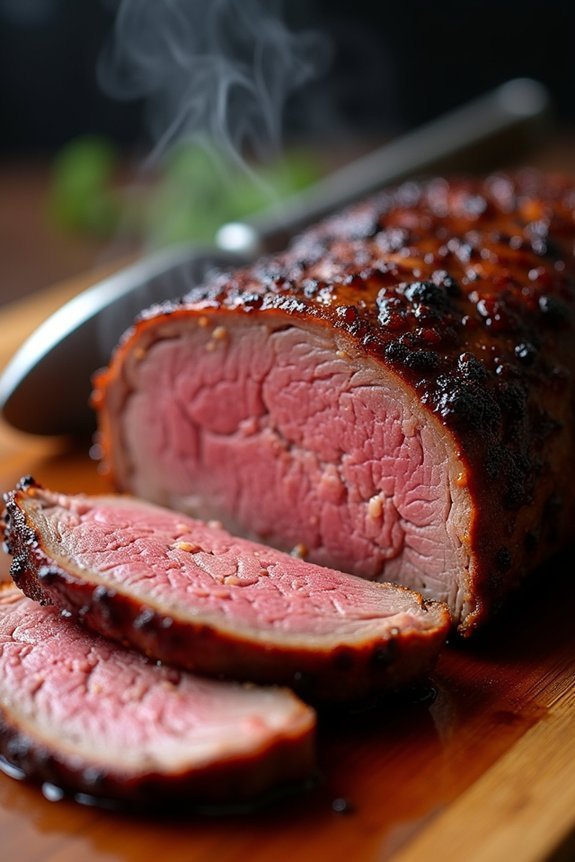
Making this mouthwatering beef brisket is almost embarrassingly simple. You’ll start by preheating your oven to a moderate 350°F, which creates the perfect environment for that magical low-and-slow transformation we’re after. While the oven heats up, mix together 3/4 cup of your favorite barbecue sauce, 1/4 cup of rich soy sauce, and 1 cup of water in a bowl. This simple sauce is what’s going to work its way into every fiber of the meat during cooking.
Now for the meat prep—which is hardly any prep at all. Take your 3-4 pound beef brisket and generously slather it with that barbecue-soy mixture. Don’t be shy here; you want that sauce to completely coat the meat. Then wrap the brisket tightly in aluminum foil, creating a sealed packet that will keep all those wonderful juices circulating around the meat. Place your foil-wrapped package on a baking pan (trust me, you’ll want this to catch any potential drips), and slide it into the oven. The cooking formula couldn’t be simpler: one hour per pound of meat. So a 3-pound brisket will need about 3 hours to reach that fork-tender perfection we’re after.
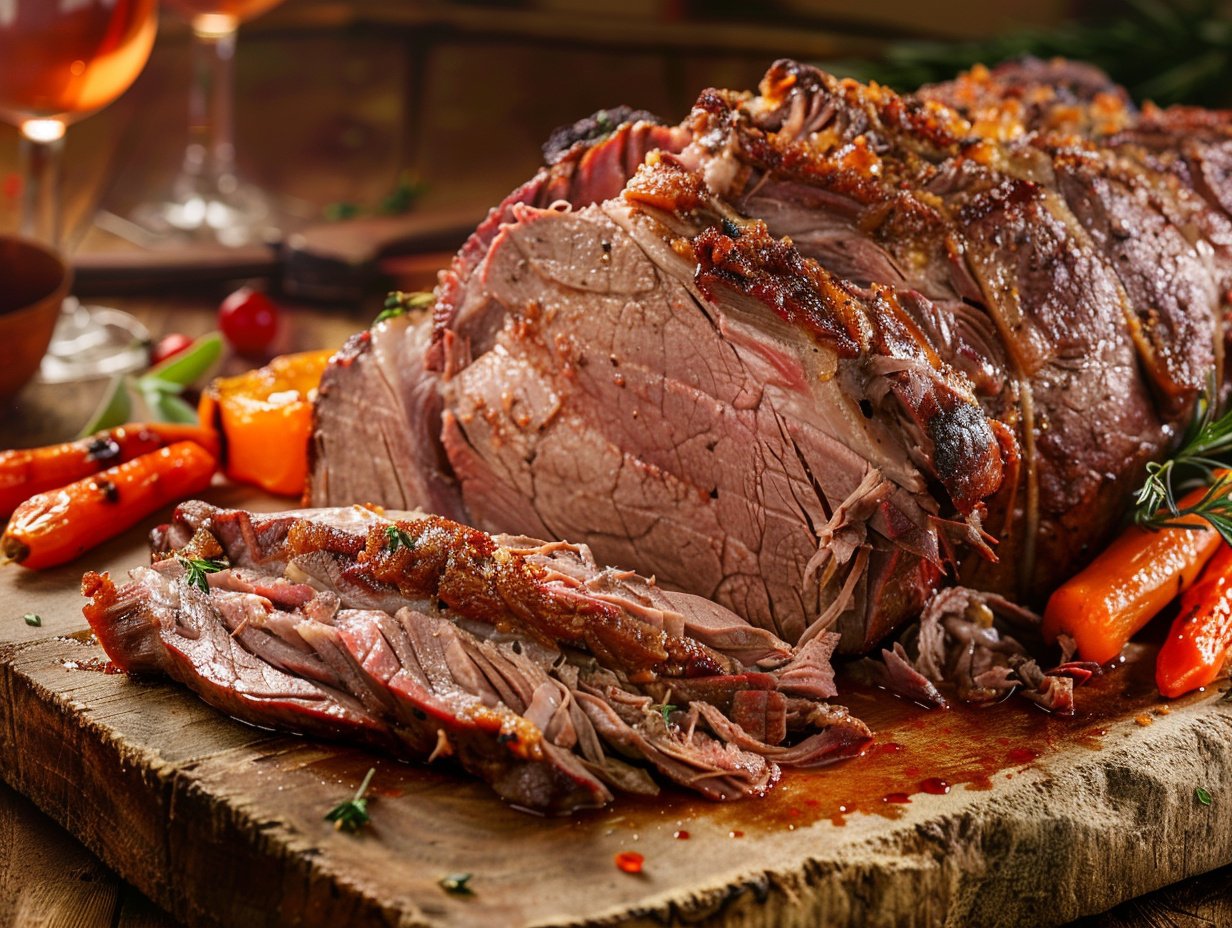
For those who prefer an alternate method, you can use an oven roasting bag instead of foil. Just place a teaspoon of flour in the bag first (this prevents it from bursting), then add your sauce and meat. Poke a couple of small holes in the bag to allow steam to escape, and you’re good to go. This method might cook your brisket a bit faster, so keep an eye on it, or simply reduce the oven temperature to 325°F for a gentler approach. When it’s done, the meat should practically fall apart when prodded with a fork. The waiting is the hardest part, but oh, the reward! The most tender, flavorful brisket that barely needs a knife to serve.
Tender Fall-Apart Beef Brisket Substitutions and Variations
Now that you’ve mastered the basic recipe, let’s explore some delicious ways to customize this brisket to make it truly your own.
Try swapping the barbecue sauce with teriyaki for an Asian-inspired twist, or mix in some honey and chipotle for sweet heat. Don’t have soy sauce? Worcestershire works beautifully. For a Mediterranean version, I’d replace the sauce mixture with olive oil, balsamic vinegar, and herbs like rosemary and thyme.
Want it spicier? Add crushed red pepper flakes or your favorite hot sauce. Craving something fruity? Orange juice or apple cider can replace part of the water, creating complex flavors as they caramelize.
What to Serve with Tender Fall-Apart Beef Brisket
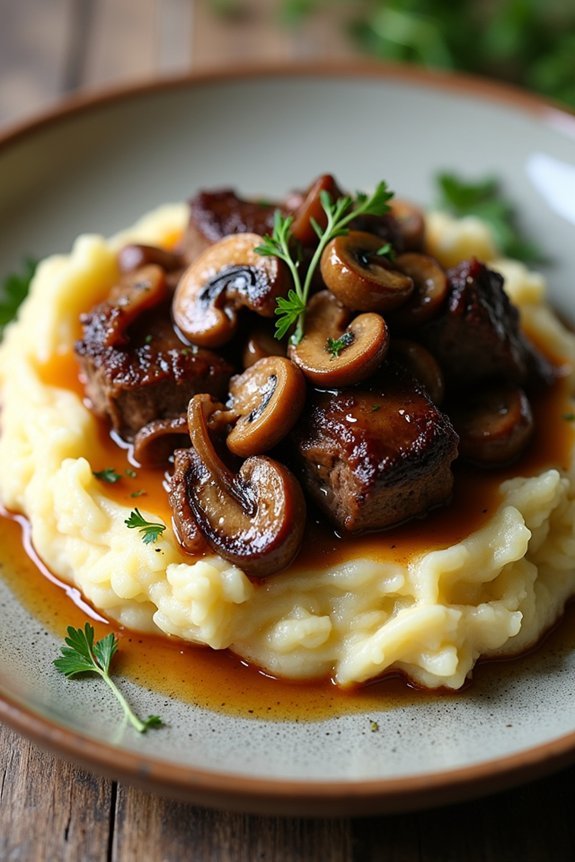
When your tender beef brisket emerges from the oven, perfectly fall-apart and aromatic, you’ll need worthy side dishes to complete the meal. I always reach for creamy mashed potatoes or buttery polenta to soak up those rich meat juices. Can anything beat that combination?
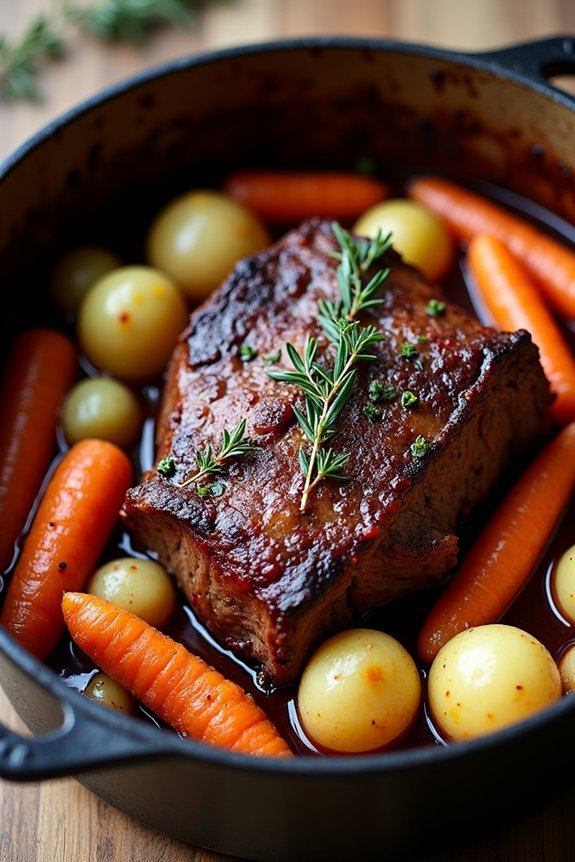
Roasted vegetables work beautifully too—try carrots, Brussels sprouts, or sweet potatoes. A crisp, tangy coleslaw provides the perfect contrast to cut through the richness.
For something heartier, consider mac and cheese or cornbread. And don’t forget pickles! Those bright, acidic bites reset your palate between mouthfuls of that melt-in-your-mouth brisket.
Final Thoughts
After spending time perfecting this slow-roasted beef brisket, I’ve come to appreciate how this humble cut transforms into something extraordinary with just a bit of patience. The magic happens in those long hours of slow cooking, where tough fibers surrender into fork-tender meat that practically melts in your mouth.