
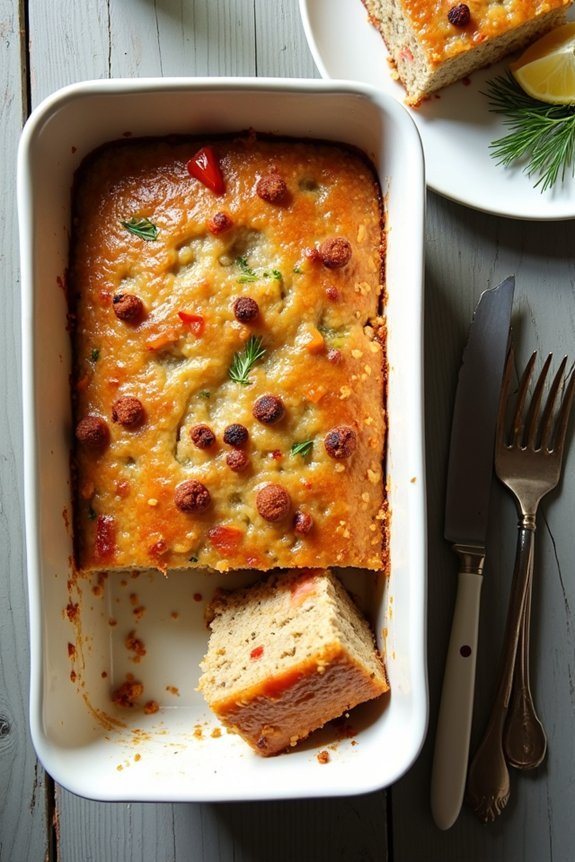
I’m always on the lookout for dishes that combine nutrition with comfort, and this Hearty Baked Salmon Oatmeal Casserole hits all the right notes. Think of a moist, protein-packed interior with edges that crisp up beautifully in the oven. The combination might sound unusual at first—salmon and oatmeal?—but trust me, the flavors work together in surprisingly delicious ways. Want to know the secret that makes this budget-friendly dish a consistent crowd-pleaser in homes across the country?
Why You’ll Love this Baked Salmon Loaf
Everyone needs a few budget-friendly, protein-packed recipes in their weeknight dinner rotation, and this Baked Salmon Loaf absolutely deserves a spot. I’m obsessed with how this recipe transforms humble canned salmon into something truly special.
What’s not to love? It’s incredibly economical, using pantry staples like canned salmon and oatmeal. The protein content is off the charts thanks to both salmon and egg whites. Plus, it’s versatile—I can serve it with a simple side salad or roasted veggies for a complete meal.
The texture is divine—moist inside with a slightly crispy exterior. Can you imagine anything more comforting?
What Ingredients are in Baked Salmon Loaf?
This Baked Salmon Oatmeal Casserole is a protein-packed dish that combines the hearty texture of oatmeal with the rich flavor of salmon. Perfect for a nutritious dinner or meal prep option, it’s surprisingly simple to make with just a handful of kitchen staples. The egg whites help bind everything together while the bell peppers add a pop of color and freshness to this comforting casserole.
- 1 can salmon
- 1 cup skim milk
- 1/2 cup oatmeal
- 1/3 cup flour
- 6 egg whites
- 1 teaspoon lemon juice
- 3/4 teaspoon hot sauce
- 1/4 teaspoon salt
- Red or green bell pepper, finely chopped
When shopping for these ingredients, try to find good quality canned salmon—it really makes a difference in the final flavor. The recipe doesn’t specify how much bell pepper to use, so I’d suggest about 1/4 to 1/3 cup depending on how much vegetable flavor you want. And while the recipe calls for skim milk, you could substitute with 1% or 2% if that’s what you have on hand. The oatmeal provides a wonderful texture that you might not expect in a salmon dish, but trust me, it works beautifully to create a satisfying, nutritious meal.
How to Make this Baked Salmon Loaf
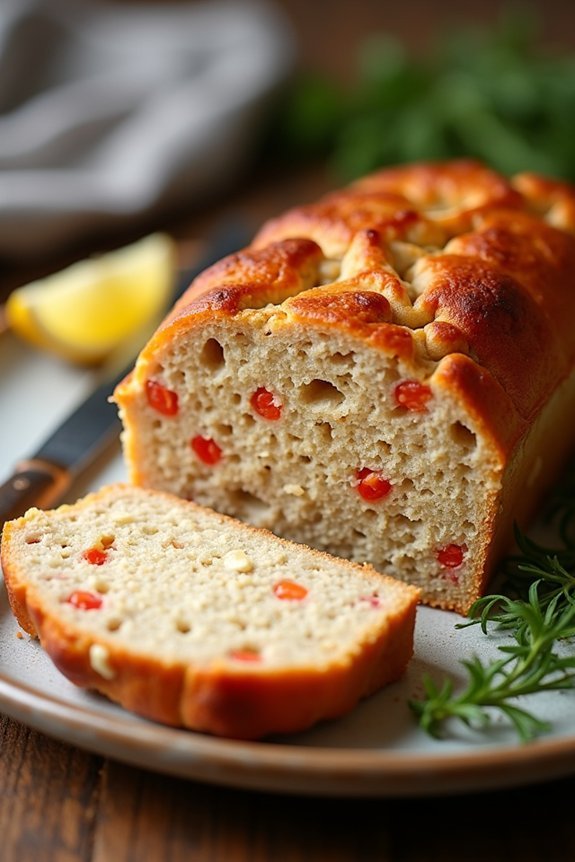
Making this salmon oatmeal casserole is surprisingly straightforward, and the process creates a wonderful aroma in your kitchen. Start by draining the juice from 1 can of salmon into a cup and add 1 cup of skim milk to it. This liquid mixture becomes the flavorful base of your casserole. Transfer this salmon-infused milk to a saucepan and place it over medium heat. Now comes the thickening step—gradually blend in 1/3 cup of flour, 1/4 teaspoon of salt, and 3/4 teaspoon of hot sauce, stirring continuously until the mixture thickens up nicely. This creates a rich, creamy sauce that will hold everything together.
Next, flake the salmon meat (removing any bones or skin) and add it to your thickened sauce along with 1 teaspoon of lemon juice, 6 egg whites, your finely chopped bell peppers, and 1/2 cup of oatmeal. The texture at this point might seem a bit unusual if you’ve never made this before—kind of lumpy but cohesive. Give everything a good stir to verify all ingredients are well incorporated. The oatmeal might still look a bit raw, but don’t worry, it’ll absorb moisture and soften up beautifully during baking.
Pour your salmon mixture into a 4 x 8 baking pan, spreading it evenly for consistent cooking. Pop it into a preheated 400-degree oven for 25-35 minutes. You’re looking for that lovely light golden-brown top that tells you it’s done. The casserole will firm up as it bakes, transforming from a wet mixture into a sliceable loaf with a wonderfully complex texture—soft yet substantial. I like to let it rest for about 5 minutes after removing it from the oven, which makes it easier to slice and serve. The finished casserole should be moist but fully set, with the oatmeal creating an interesting textural contrast to the flaked salmon.
Baked Salmon Loaf Substitutions and Variations
Several easy substitutions can transform this classic salmon oatmeal casserole into something that matches your pantry or preferences. No canned salmon? Fresh works beautifully—just cook and flake about 8 ounces. Whole eggs can replace the whites if you don’t mind a richer result.
For flavor variations, I’m partial to adding dill or tarragon, perfect salmon companions. Swap the hot sauce for Dijon mustard, or fold in capers for briny pops of flavor.
Need it gluten-free? Replace that flour with rice flour or cornstarch. The oatmeal can become quinoa flakes, too. And those bell peppers? Any vegetable that won’t release too much moisture works.
What to Serve with Baked Salmon Loaf
When you’ve got a hearty salmon oatmeal casserole ready to serve, finding the perfect sides can transform your meal from good to memorable. I love pairing this protein-packed dish with something light and green—think steamed asparagus or a crisp arugula salad with lemon vinaigrette.
For starchier options, roasted baby potatoes or quinoa pilaf complement the texture beautifully. Need something acidic to cut through the richness? A small dish of cucumber-yogurt sauce works wonders.
Can’t forget about drinks. A chilled Pinot Grigio or sparkling water with lemon brings everything together. Trust me, it’s all about balance.
Final Thoughts
This salmon oatmeal casserole has become my go-to recipe whenever I’m craving something nutritious yet comforting. The combination of protein-rich salmon, hearty oatmeal, and the subtle kick from hot sauce creates a perfectly balanced meal that’s both satisfying and good for you.
What I love most is its versatility. Can’t find red bell peppers? Green work just fine. Want more protein? Add an extra egg white.
The best part? It’s economical too, making smart use of canned salmon while still delivering gourmet flavor. Trust me, even the seafood skeptics in your life might just ask for seconds.