I’ve been obsessed with street food lately, and nothing hits the spot quite like sizzling Pao Bhaji. Imagine this: buttery, toasted rolls alongside a fragrant mash of potatoes and vegetables, all coming together in a symphony of spices. It’s comfort food that manages to be both indulgent and surprisingly nutritious. The magic happens in the blend of textures—soft, spiced vegetable mash against the crisp exterior of fresh-toasted pao. Want to know my secret to making this Mumbai classic at home?
Why You’ll Love this Pao Bhaji
If you’ve never tried Pao Bhaji before, you’re in for a genuine treat that will transform your idea of comfort food. This vibrant Indian street food combines mashed vegetables seasoned with aromatic spices, served on toasted buttery rolls—truly the best of both worlds.
I love how versatile this dish is; you can adjust the spice level to suit your taste or add more vegetables depending on what’s in your fridge. The texture contrast between the soft, flavorful vegetable mixture and the crispy, toasted rolls is absolutely divine. Perfect for casual weeknight dinners or weekend gatherings with friends.
What Ingredients are in Pao Bhaji?
Pao Bhaji is a beloved street food from India that combines a flavorful, spiced vegetable mash with soft, buttery bread rolls. This iconic dish requires a mix of vegetables, spices, and bread to create its signature taste and texture. The beauty of Pao Bhaji lies in its hearty vegetable mixture that becomes a delicious filling for simple bread rolls, creating a perfect balance of flavors and textures that’s both satisfying and comforting.
- 4 potatoes
- 1/2 head cauliflower
- 2 carrots
- 1 cup green peas
- 1/4 cup channa dal
- 2 onions, chopped
- 4 tomatoes, sliced
- 12 bread rolls (or buns)
- Oil (for cooking and pan-frying rolls)
- 1 teaspoon salt
- 1 teaspoon mustard seeds
- 2 whole red chilies
- 1/2 teaspoon red chili powder
- 2 teaspoons pao bhaji masala
When gathering ingredients for Pao Bhaji, the quality of your vegetables matters quite a bit. Try to find fresh produce for the best flavor, and don’t worry if you need to substitute—this recipe is fairly forgiving. The pao bhaji masala is an essential component that gives the dish its distinctive taste, so it’s worth seeking out at an Indian grocery store rather than trying to create your own spice blend. As for the bread rolls, traditional pao buns are ideal, but regular hamburger buns or dinner rolls will work in a pinch. They just need to be soft enough to soak up all that delicious vegetable gravy.
How to Make this Pao Bhaji
Making Pao Bhaji starts with preparing your vegetables. Wash, peel, and cut 4 potatoes into chunks, then wash and chop or grate 1/2 head of cauliflower and 2 carrots into small pieces. Next, rinse 1/4 cup channa dal and add it to a pot with 2 cups of water, bringing it to a boil. After the dal has cooked for about 10 minutes, add the potato chunks and 1 teaspoon salt, continuing to cook until the potatoes become soft enough to mash. Once they’re tender, go ahead and mash them together with the dal—this creates the base for your vegetable mixture.
Now it’s time to build layers of flavor. Add your chopped cauliflower, carrots, and 1 cup green peas to the mashed potato and dal mixture, cooking for about 15 more minutes until the carrots become tender. You might need to add a little water to keep everything moist, but not too soupy. Meanwhile, heat 2 tablespoons of oil in a skillet and add 1 teaspoon mustard seeds, letting them pop and release their flavor. Add 2 whole red chilies (which you can remove before serving if you’re worried about the heat), then sauté 2 chopped onions until they turn translucent and fragrant.
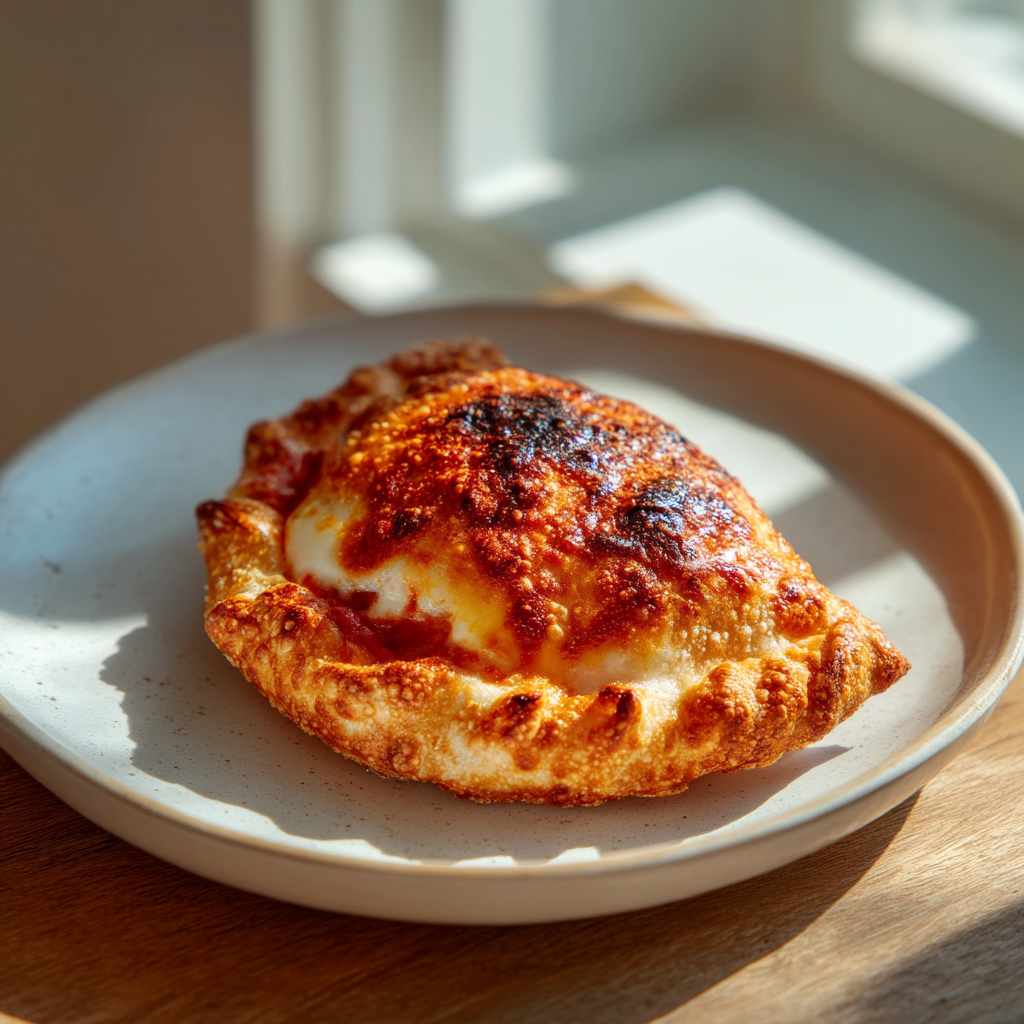
The final steps bring everything together. Add your cooked vegetable mixture to the skillet with the onions and cook for about 5 minutes—you’re looking for a wet, saucy consistency that will be perfect for spreading. Stir in 1/2 teaspoon red chili powder and 2 teaspoons of pao bhaji masala, adjusting to taste if needed. Now for the bread! Separate your 12 bread rolls and lightly toast them in a hot skillet with a bit of oil until they’re golden brown and slightly crisp on the outside but still soft inside. To serve, place a generous spoonful of the vegetable filling on the bottom half of each roll, top with a slice of tomato, and cover with the other half. Who knew vegetables could be this comforting? Serve your pao bhaji hot, and watch everyone’s eyes light up as they bite into this street food classic.
Pao Bhaji Substitutions and Variations
While the classic pao bhaji recipe is already delicious, sometimes you’ll need to make substitutions based on what’s in your pantry or dietary preferences.
Can’t find pao bhaji masala? Mix equal parts cumin, coriander, and garam masala instead. No cauliflower? Double up on carrots or add diced bell peppers.
For a healthier version, I’d suggest using whole wheat rolls or even serving the vegetable mixture over brown rice. Going vegan? Skip the traditional butter finish and use olive oil.
Want it spicier? Add more chili powder or throw in some minced green chilies. The beauty of pao bhaji is its adaptability, don’t you think?
What to Serve with Pao Bhaji
Although pao bhaji is a complete meal on its own, pairing it with the right accompaniments can elevate your dining experience to new heights. I recommend serving it with a side of finely chopped raw onions, a generous squeeze of lemon juice, and a dollop of butter melting on top. Trust me, that combination is pure magic.

For drinks, nothing beats a cool glass of lassi or chaas (buttermilk) to balance the spice. Want something crunchy? Add some crispy papadums or a simple cucumber-tomato salad dressed with salt and lime juice. Simply divine.
Final Thoughts
Pao bhaji remains, in my opinion, one of the most comforting street foods you can make at home with relatively simple ingredients. The way the spiced vegetable mixture melts into those toasted, buttery rolls creates something truly magical on your plate. Don’t worry if you can’t find pao bhaji masala—a mix of garam masala, coriander, and cumin works in a pinch. What makes this dish special is its adaptability; add more chili for heat, throw in bell peppers for sweetness, or top with cheese for indulgence. Ready in under an hour, it’s perfect for weeknight dinners.
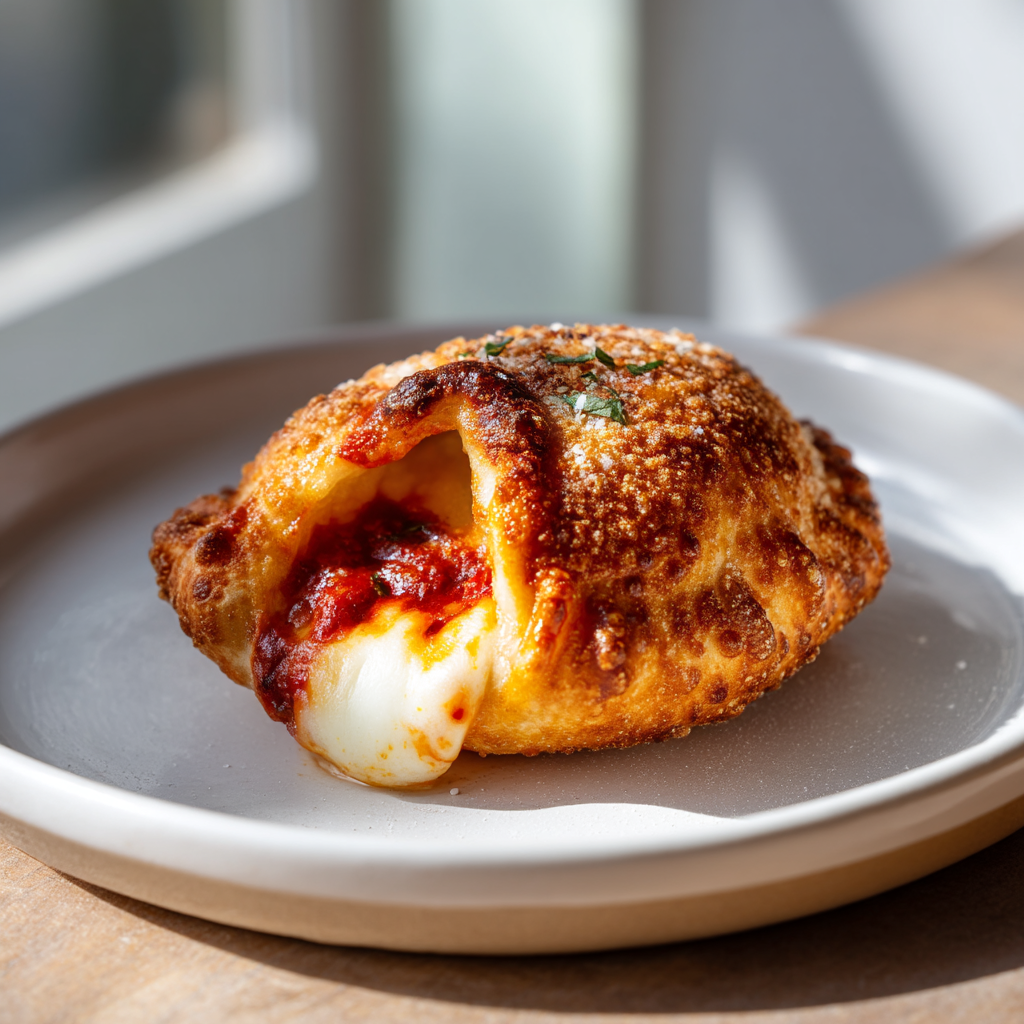
Mumbai Street Food Pao Bhaji Recipe
Ingredients
Method
- Wash, peel, and cut potatoes into chunks. Chop or grate cauliflower and carrots. Rinse channa dal, boil with 2 cups water for 10 minutes. Add potatoes and salt, cook until tender, then mash with dal to form the base.
- Add cauliflower, carrots, and peas to the mashed mixture, cook for 15 minutes until tender, adding water if needed. Meanwhile, heat oil in skillet, add mustard seeds and red chilies, then sauté onions until translucent.
- Combine vegetable mixture with onions in skillet, cook for 5 minutes until saucy. Stir in red chili powder and pao bhaji masala. Toast bread rolls in skillet with oil until golden. Serve by placing vegetable filling on rolls and topping with tomato slices.