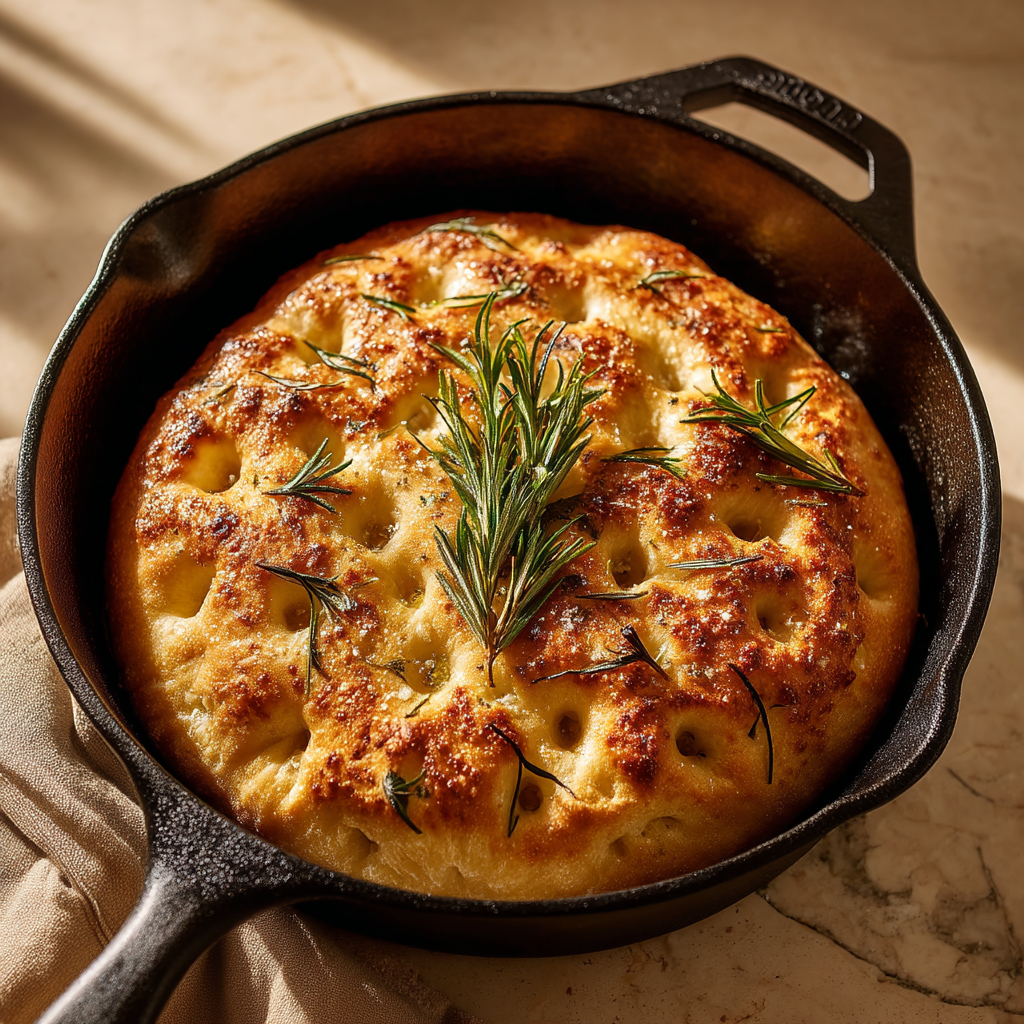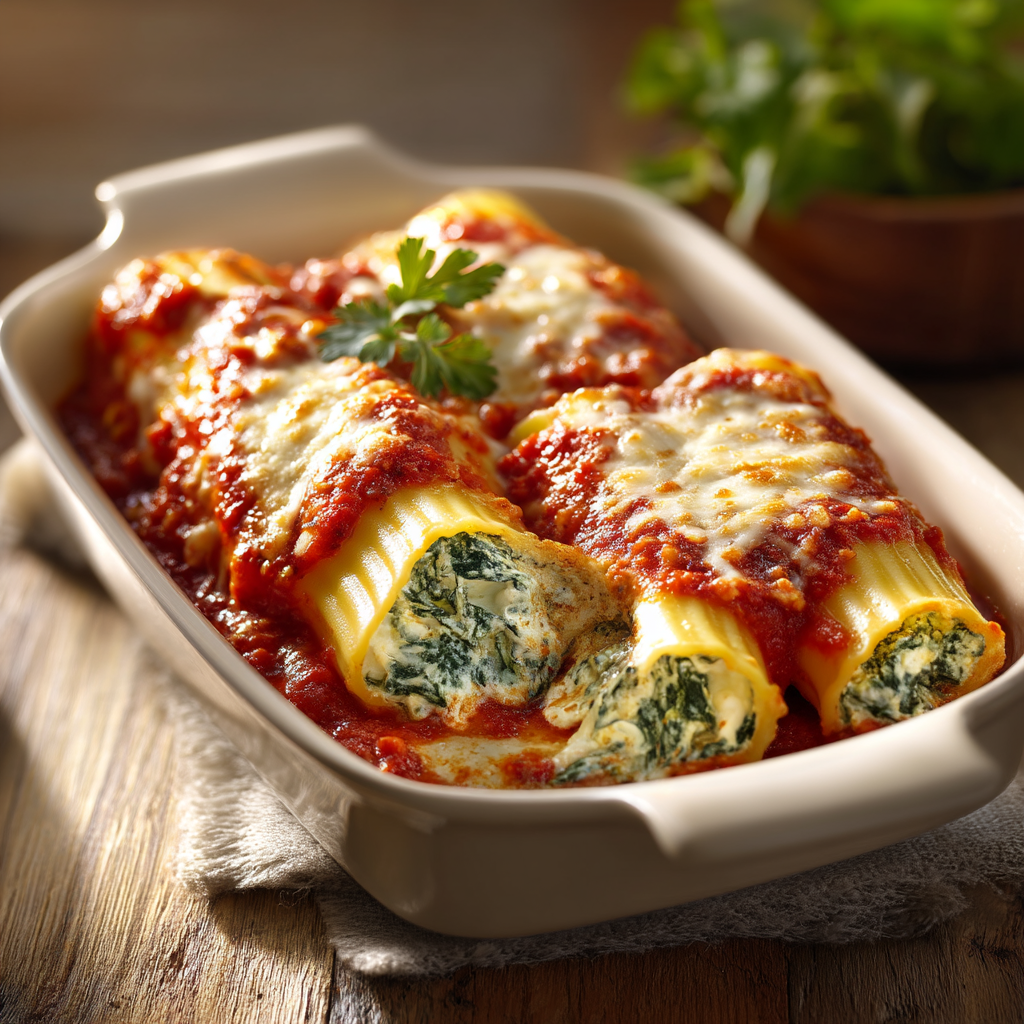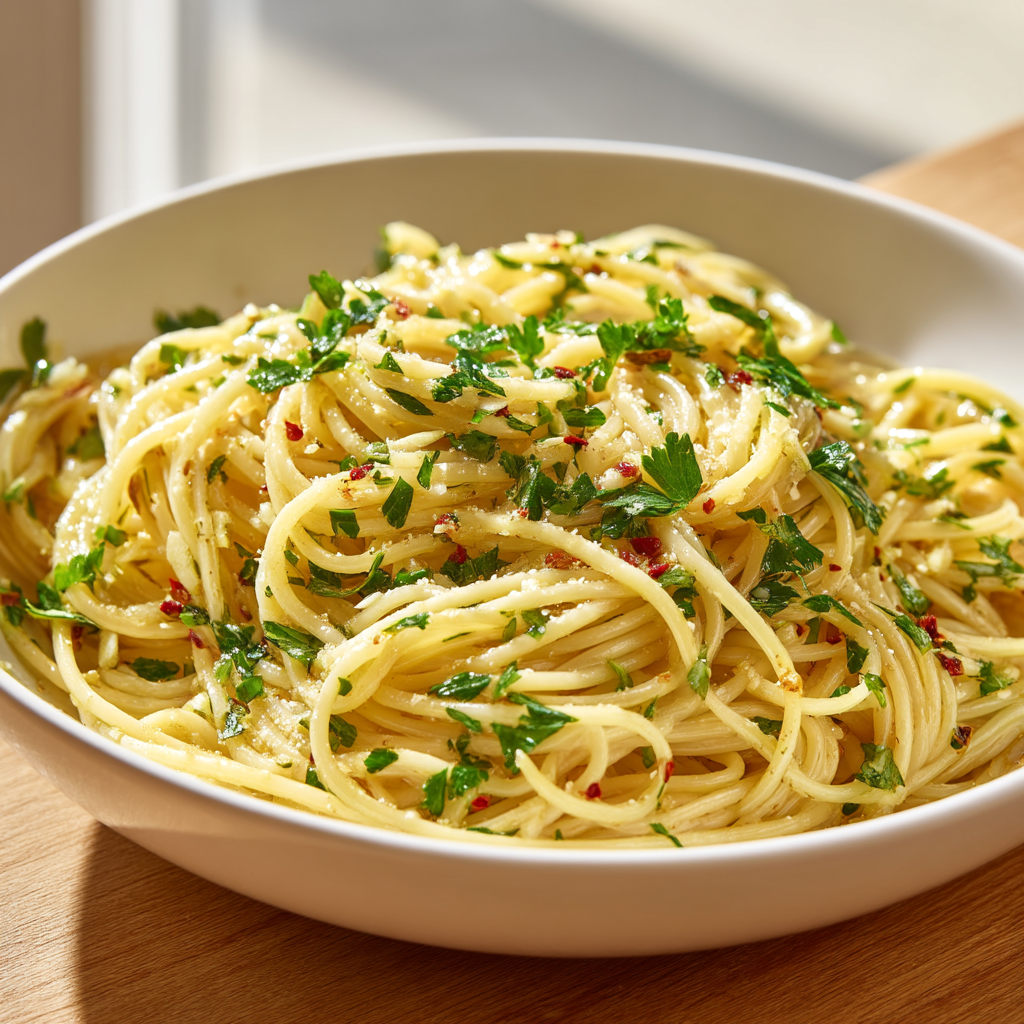
I’m about to share my absolute favorite homemade sauce that’ll transform your pasta nights forever. There’s something magical about roasting vegetables until they caramelize, bringing out natural sweetness that store-bought sauces simply can’t match. The combination of tomatoes, bell peppers, broccoli and more creates layers of flavor that’ll have everyone wondering what your secret ingredient is. Trust me, once you try this rustic marinara, you’ll never want to reach for a jar again.
Why You’ll Love this Garden-Fresh Marinara Sauce
Simplicity meets flavor in this rustic roasted veggie marinara sauce. I’m obsessed with how the roasting process transforms ordinary tomatoes and peppers into something extraordinary, caramelizing their natural sugars for a depth you can’t get from stovetop cooking alone.
What makes this sauce special? The hidden veggies. Broccoli and carrots sneak in nutrition while the food processor creates that perfect not-too-chunky, not-too-smooth texture. And those fresh herbs? They’re the finishing touch that brings everything together.
No jarred sauce compares to this homemade version. Perfect for pasta night, pizza, or anything that needs a burst of garden-fresh flavor.
What Ingredients are in Garden-Fresh Marinara Sauce?
This rustic marinara sauce celebrates garden-fresh vegetables in every spoonful. What makes it special is the roasting process that brings out the natural sweetness of tomatoes and peppers, while the addition of broccoli and carrots adds nutrition you won’t even notice when everything’s blended together. The beauty of this recipe is its versatility—it works wonderfully on pasta, as a pizza base, or even as a dipping sauce.
- 12 tomatoes, cut in half and seeded
- 4 bell peppers (any color you prefer)
- 1 head broccoli, cut into florets
- 1 large onion
- 4 cloves garlic
- 4 carrots
- Fresh herbs to taste (parsley, basil, oregano)
- Salt and pepper to taste
- Optional: small amount of sugar to balance acidity
When selecting your ingredients, the freshness really matters here. Summer tomatoes will give you the best flavor, but good-quality canned tomatoes can work in a pinch during off-seasons. For the bell peppers, mixing colors can create a deeper, more complex flavor profile—red for sweetness, yellow for brightness, and green for a slight bitterness that balances everything out. The herbs are completely customizable based on what you have on hand, though the classic Italian trio of parsley, basil and oregano provides that authentic marinara flavor we all crave. Remember, the roasting step is essential, as it caramelizes the natural sugars in the vegetables, often eliminating the need for added sugar.
How to Make this Garden-Fresh Marinara Sauce
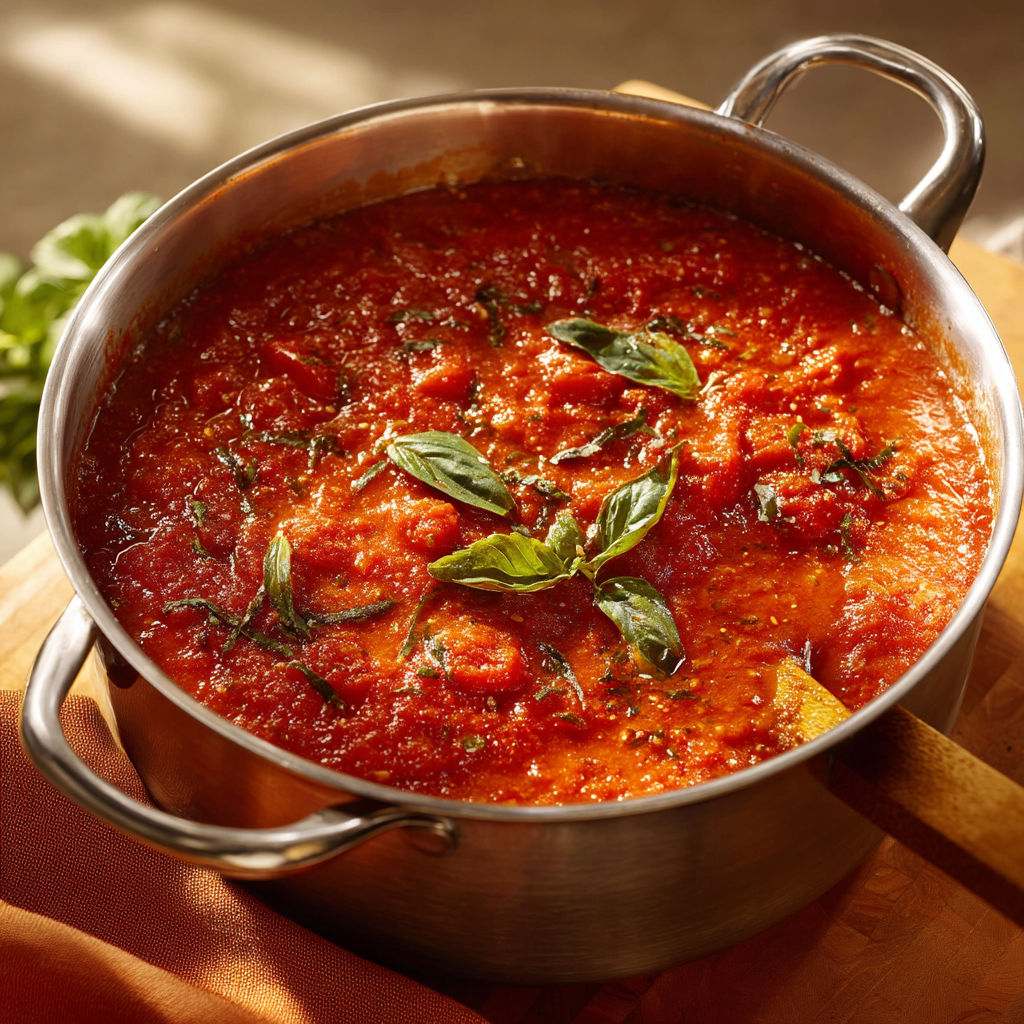
Next comes the fun part—transforming your vegetables into sauce. Take your roasted tomatoes and peppers, along with 1 head of broccoli (cut into florets), 1 large onion, 4 cloves of garlic, and 4 carrots, and add them to a food processor. Pulse until you reach a “smoothish” consistency, leaving just enough texture to keep things interesting. Some people might prefer a completely smooth sauce, but I find a bit of rustic chunkiness adds character. Transfer this vibrant mixture to a large pot, bring it to a boil, then reduce to a simmer. This is when patience becomes your best friend. Allow the sauce to simmer until it reaches your preferred thickness, remembering that it will continue to thicken as it cools.
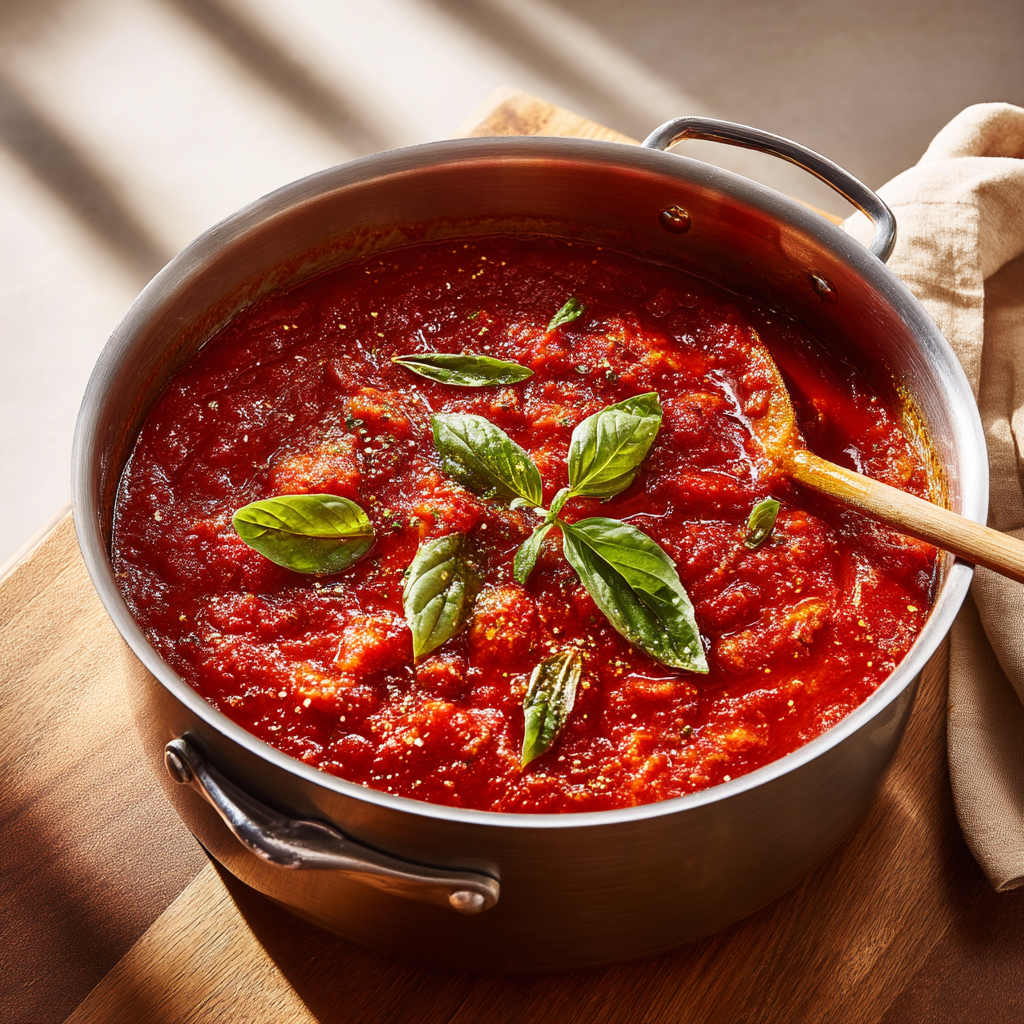
During the final 10 minutes of simmering, it’s time to add those fresh herbs—parsley, basil, and oregano—along with salt and pepper to taste. The recipe intentionally doesn’t specify exact measurements for herbs because this is where you get to customize. Love basil? Add more. Prefer the earthiness of oregano? Go for it. The beauty of homemade sauce is making it your own. Give everything a good stir and continue simmering for those final minutes to let the flavors meld. If you find the sauce is too acidic, despite the roasting process that naturally sweetens things, you can add a small pinch of sugar to balance it out. And voilà—your versatile marinara is ready to coat pasta, top pizza, or be stored away for future meals when you need a taste of summer.
Garden-Fresh Marinara Sauce Substitutions and Variations
While this garden-fresh marinara recipe creates magic from summer vegetables, you’re not locked into using exactly what’s listed. I’m all about flexibility in the kitchen.
Don’t have bell peppers? Try roasted eggplant or zucchini instead. The broccoli can be swapped for spinach or kale if that’s what’s thriving in your garden. And those herbs? That’s where you can really make this sauce your own.
For a spicier version, add red pepper flakes or a jalapeño. Craving something richer? Stir in a splash of cream or a dollop of butter at the end, transforming it into a luscious rosa sauce.
What to Serve with Garden-Fresh Marinara Sauce
For lighter fare, try zucchini noodles or spaghetti squash. My secret weapon? Crusty garlic bread for dipping into those roasted tomato depths. And don’t forget a simple side salad with vinaigrette to balance the meal. The options are endless, aren’t they?
Final Thoughts
After creating this rustic roasted veggie marinara sauce, you’ll understand why homemade always trumps store-bought. The depth of flavor from those roasted tomatoes and peppers simply can’t be captured in a jar from the grocery store.
I love how versatile this sauce is—perfect for pasta night, homemade pizza, or even as a dipping sauce for crusty bread. The best part? You can adjust the herbs and thickness to your exact preference, something no commercial product offers.
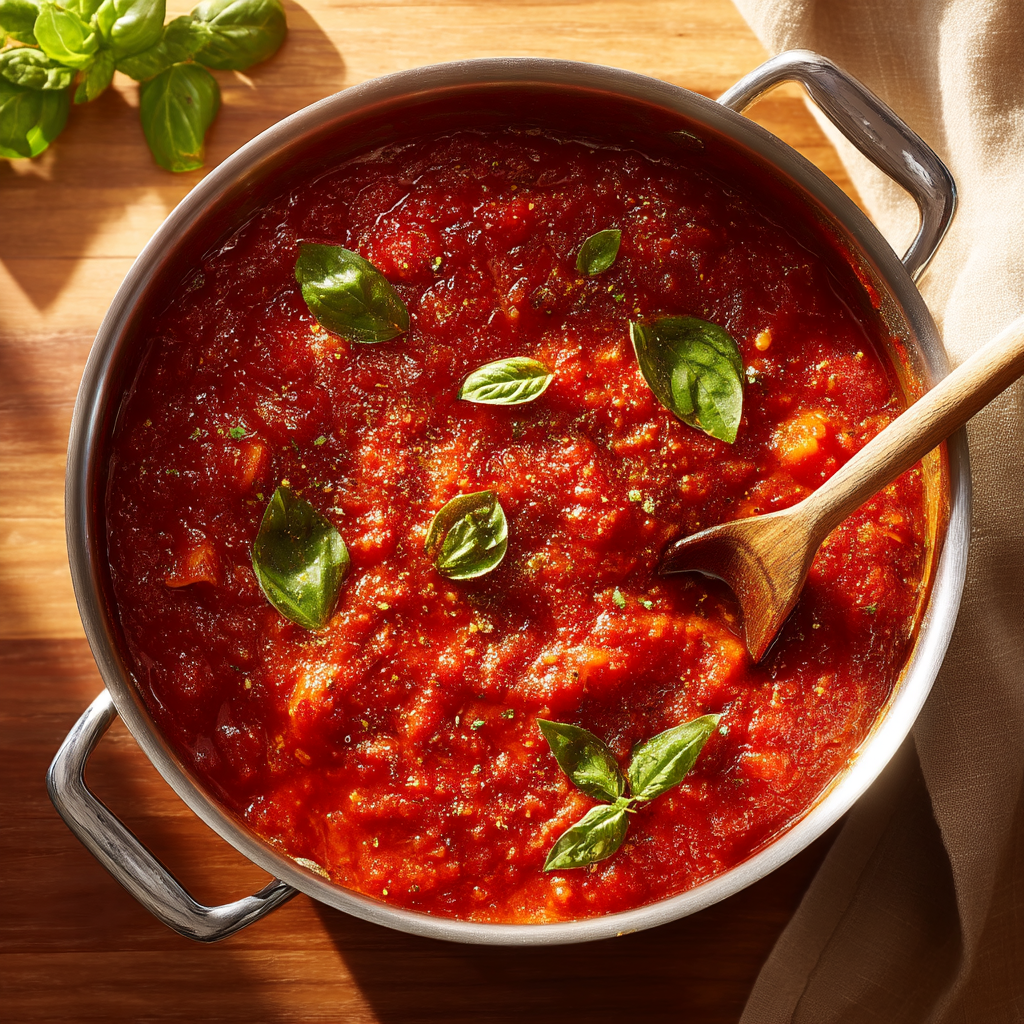
Rustic Roasted Vegetable Marinara Sauce
Ingredients
Equipment
Method
- Place the roasted tomatoes, peppers, broccoli florets, onion, garlic, and carrots into a food processor. Pulse until a 'smoothish' consistency is reached, leaving some texture for a rustic feel.
- Transfer the processed mixture to a large pot. Bring to a boil, then reduce heat to low and simmer until the sauce reaches your desired thickness.
- During the last 10 minutes of simmering, stir in fresh herbs (parsley, basil, oregano), salt, and pepper to taste.
- If the sauce is too acidic, add a small pinch of sugar to balance the flavors. Continue simmering for a few more minutes to blend the flavors.