
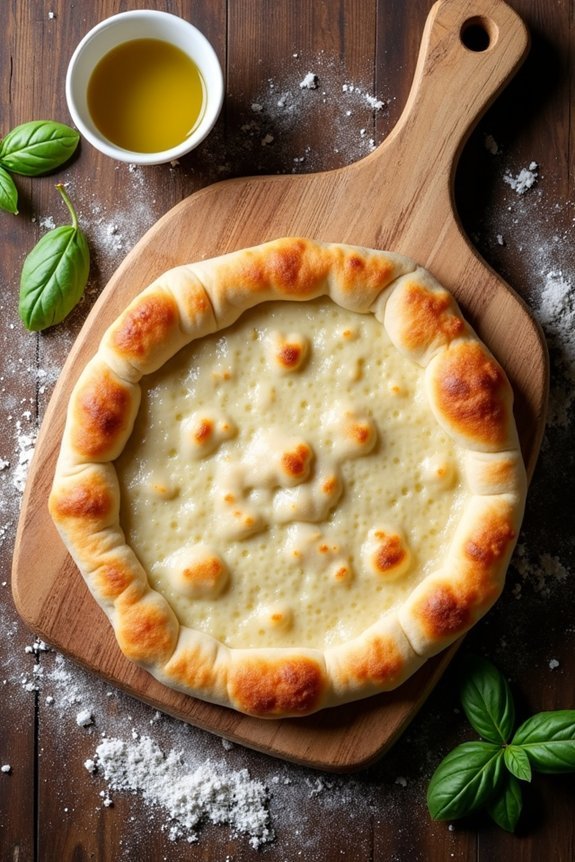
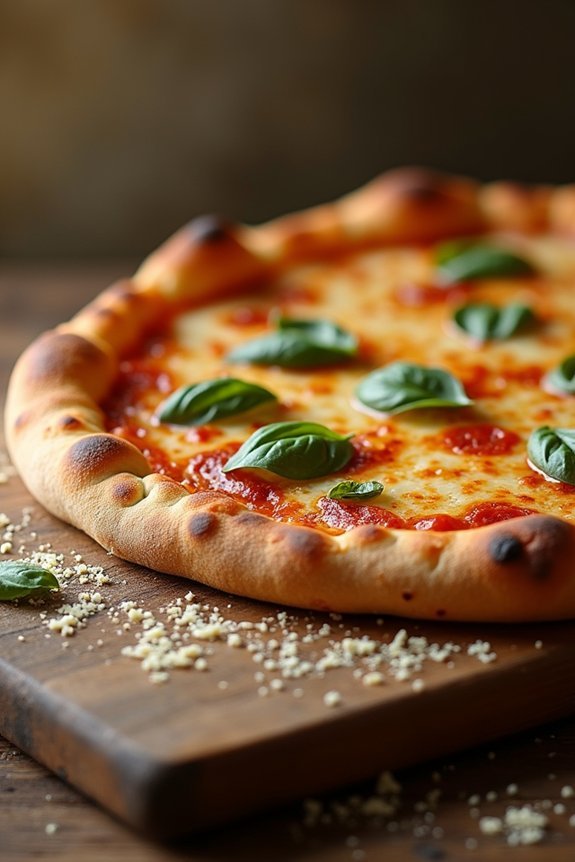
Ever dreamed of pizza that rivals your favorite restaurant, but made right in your own kitchen? Homemade pizza dough might sound intimidating, but trust me, it’s easier than you think. What if I told you that with just a few simple ingredients and some basic techniques, you could transform ordinary flour and yeast into a crispy, golden pizza crust that’ll make your taste buds dance? Buckle up, because we’re about to turn your pizza game upside down.
Why You’ll Love this Pizza Dough
There’s something magical about crafting your own pizza dough from scratch, and this recipe is a game-changer for home cooks who want restaurant-quality results. Who doesn’t dream of pulling a perfectly crisp, golden crust from their oven? This dough isn’t just easy—it’s incredibly versatile. You can freeze portions for later, which means homemade pizza is always just minutes away. The texture? Wonderfully elastic. The process? Surprisingly simple. Whether you’re a kitchen novice or a seasoned cook, this recipe will transform your pizza nights from ordinary to extraordinary. No fancy equipment needed, just basic ingredients and a bit of patience.
What Ingredients are in Pizza Dough?
Making pizza dough feels like an adventure in the kitchen – transforming simple ingredients into something magical and delicious. The right combination of basic pantry staples can turn an ordinary evening into a homemade pizza feast.
Ingredients:
- 2 packets (1/4 ounce each) active dry yeast
- 2 tablespoons sugar
- 1/4 cup olive oil, plus extra for brushing
- 2 teaspoons coarse salt
- 4 cups all-purpose flour
- 1 1/2 cups warm water
Choosing high-quality ingredients makes a huge difference in pizza dough. While you can use standard all-purpose flour, some bakers swear by bread flour for extra chewiness. The olive oil adds rich flavor, so splurging on a good brand can elevate the entire recipe. Water temperature matters too – aim for warm, not hot, to help the yeast activate perfectly without killing those tiny microorganisms that make dough rise and develop incredible texture.
How to Make this Pizza Dough
Start by gathering your ingredients: 2 packets (1/4 ounce each) of active dry yeast, 1 1/2 cups warm water, 2 tablespoons sugar, and 1/4 cup olive oil. The first step is essential – creating the perfect yeast environment. Pour the warm water into a large bowl, then sprinkle the yeast over the surface. Let it sit and get all foamy and alive, which takes about 5 minutes. This is where the magic begins – those tiny yeast organisms waking up and getting ready to make some seriously delicious dough.
Next, whisk in the sugar, olive oil, and 2 teaspoons of coarse salt into the yeast mixture. The salt isn’t just for flavor – it helps control the yeast’s growth and adds depth to the dough. Gradually add 4 cups of all-purpose flour, stirring until a sticky, shaggy dough forms. Don’t worry if it looks a bit rough – that’s totally normal. Transfer the dough to an oiled bowl, giving the top a quick brush with a bit more olive oil. Cover the bowl with plastic wrap and find a warm, draft-free spot in the kitchen. Now comes the waiting game – let the dough rise until it’s doubled in size, which typically takes about an hour.
When the dough has risen, turn it out onto a lightly floured surface. Gently knead it just once or twice – you’re not looking to work it too hard. At this point, the dough is ready to be shaped into a pizza, rolled out, or even frozen for a future pizza night. Pro tip: if you’re planning to freeze the dough, wrap it carefully in plastic and pop it in a freezer bag. It’ll keep for up to 3 months, waiting to become your next homemade pizza masterpiece. Want to be extra prepared? Divide the dough before freezing if you might want a smaller batch later.
Pizza Dough Substitutions and Variations
Although pizza dough might seem like a rigid recipe, creativity can transform this classic staple into something uniquely yours. Want whole wheat depth? Swap half the all-purpose flour for whole wheat. Feeling adventurous with herbs? Knead in dried rosemary or oregano before the first rise. Gluten-sensitive friends coming over? Try a blend of gluten-free flour mixes designed for yeast breads. Craving a richer flavor? Replace olive oil with melted butter or swap water for milk. Each substitution whispers a different story, promising a personalized pizza experience that’s both familiar and surprising.
What to Serve with Pizza Dough
When pizza emerges from the oven, golden and steaming, it deserves some stellar sidekicks that elevate the entire dining experience. A crisp Caesar salad with homemade croutons cuts through the richness of melted cheese. Garlic knots? Absolutely. Those buttery, herb-sprinkled bread bombs are practically mandatory. Marinara sauce for dipping transforms leftover crust into pure magic. Want something lighter? A tangy arugula salad with lemon vinaigrette provides a fresh counterpoint. Antipasto platters loaded with olives, cured meats, and marinated vegetables create a Mediterranean spread that turns pizza night into a feast worth remembering.
Final Thoughts
Because homemade pizza dough isn’t just a recipe—it’s an art form that transforms your kitchen into a culinary playground—I want to share some final reflections on this delicious journey. Making pizza dough is about patience, precision, and passion. The magic happens when simple ingredients merge into something extraordinary. Whether you’re a novice or seasoned baker, this recipe offers flexibility and room for creativity. Trust the process, let the dough rise, and embrace the imperfections. Your homemade pizza will taste better than anything store-bought, and the satisfaction of creating something from scratch is unbeatable.