
I’ve been dreaming about this prime rib recipe for weeks, and I’m thrilled to finally share it with you. There’s something magical about that moment when you slice into a perfectly cooked standing rib roast—the rich, rosy center contrasting with that herb-crusted exterior. This isn’t just dinner; it’s an experience that transforms ordinary gatherings into memorable celebrations. Ready to discover how a few simple techniques can help you create restaurant-quality prime rib at home?
Why You’ll Love this Perfect Prime Rib
Three reasons you’ll love this perfect prime rib: simplicity, flavor, and pure elegance.
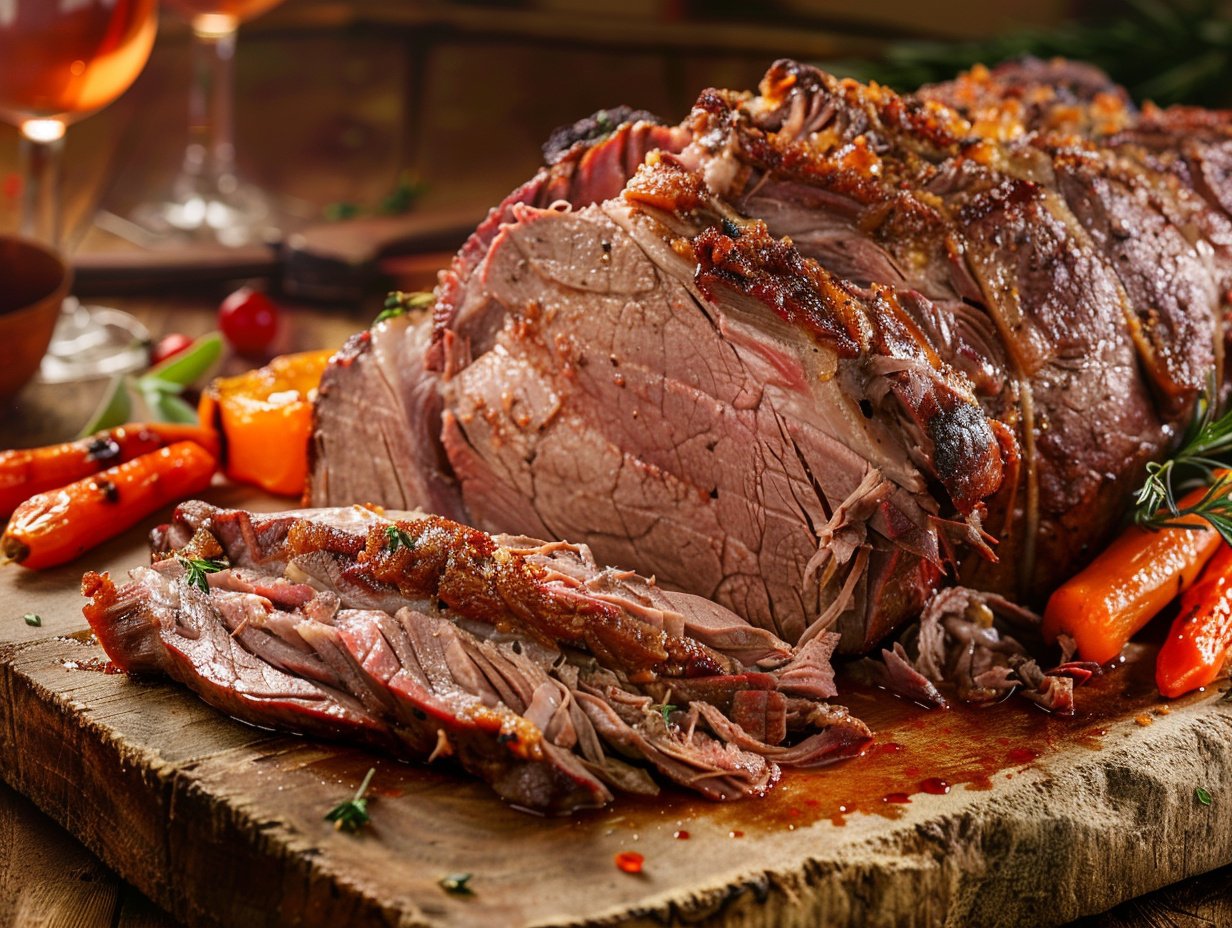
I’m convinced there’s nothing quite like carving into a beautifully roasted prime rib, watching those savory juices pool on the plate. The method here couldn’t be more straightforward—just season, refrigerate, and roast. That extended dry-brining time? It’s the secret to meat that’s seasoned all the way through, not just on the surface.
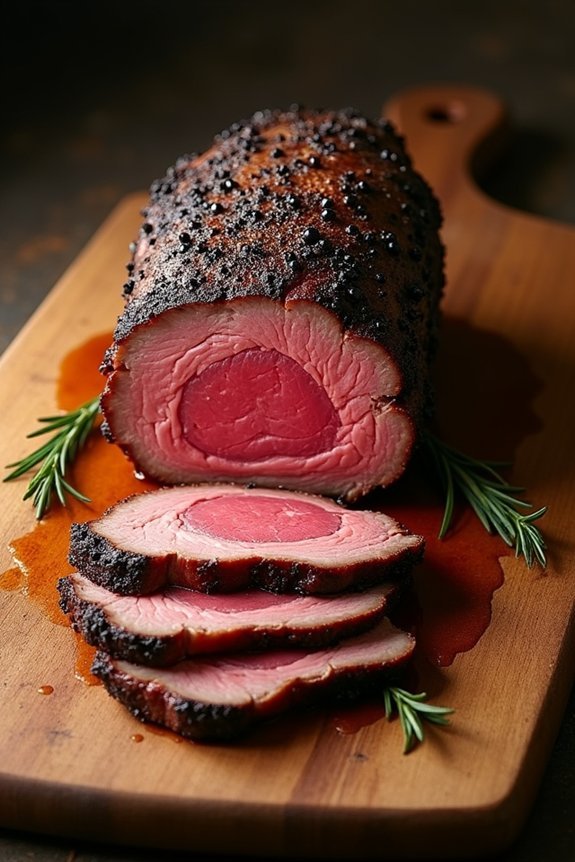
And can we talk about that crust? The combination of mustard and rosemary creates this incredible savory exterior while the inside stays perfectly pink. Restaurant quality, right at your dining table.
What Ingredients are in Perfect Prime Rib?
When it comes to a perfect prime rib roast, the magic lies in the quality of the meat and the simplicity of the seasonings. This classic holiday centerpiece doesn’t require fancy ingredients or complicated techniques – just a few key components that enhance the natural richness of the beef. The beauty of prime rib is that it’s mostly about letting the star ingredient shine through, with just enough seasoning to complement rather than overwhelm.
- 1 (10-12 lb) five bone standing rib roast, chine bone removed and tied back on
- 2 tablespoons kosher salt
- 1 1/2 tablespoons dry mustard, preferably Coleman’s
- 1 1/2 tablespoons chopped fresh rosemary leaves
- Fresh coarse ground black pepper, to taste
When shopping for these ingredients, the quality of the beef makes all the difference. I’d recommend visiting a trusted butcher who can properly prepare the roast with the chine bone removed but tied back on – this makes for easier carving later while still getting all the flavor during roasting. For the seasonings, don’t skimp on the kosher salt, as it helps create that perfect crust. And while dried rosemary could work in a pinch, the fresh version brings so much more aromatic flavor to the party. Coleman’s dry mustard has a distinctive bite that other brands might not deliver quite as well. Might seem like a small detail, but with so few ingredients, each one matters more.
How to Make this Perfect Prime Rib
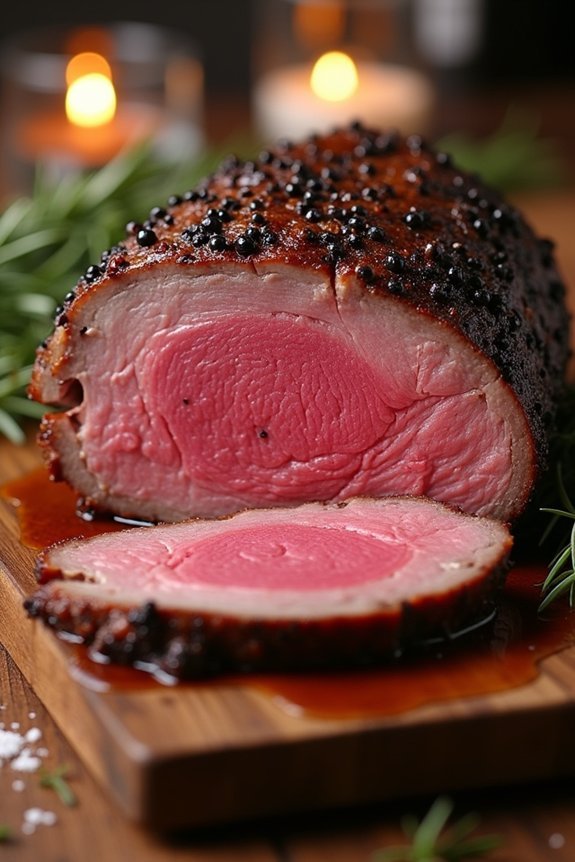
The magic of prime rib happens long before it hits the oven. Start by generously seasoning your 10-12 pound standing rib roast with 2 tablespoons of kosher salt, making certain to include the rack of bones. This is where patience becomes your secret ingredient—after rubbing the beef all over with 1½ tablespoons of dry mustard (Coleman’s gives that perfect bite), sprinkle with 1½ tablespoons of fresh rosemary leaves and plenty of coarse black pepper. Now comes the real trick that separates good prime rib from magnificent prime rib: place the seasoned roast in a roasting pan, cover loosely with plastic wrap, and let it rest in your refrigerator for 2-3 days. Yes, days! This dry-brining process allows the salt to penetrate deeply, creating meat that’s seasoned from within rather than just on the surface.
On the big day, planning ahead is essential. Remove your roast from the refrigerator about 3 hours before cooking time—this room temperature rest guarantees even cooking. When you’re ready to begin, position your oven rack in the lower third and preheat to a sizzling 450°F. The initial high heat creates that gorgeous brown crust we all fight over at the table. After 20-25 minutes, when the outside has begun to brown and sizzle (can you smell that amazing aroma filling the kitchen?), lower the temperature to 325°F for the duration. This gentle heat will cook the interior perfectly while maintaining juiciness. For medium-rare—the gold standard for prime rib—look for an internal temperature of 120°F on a meat thermometer inserted into the thickest part, which typically takes about 2 hours.
The final step might be the hardest: waiting. Once your roast reaches temperature, transfer it to a carving board and let it rest for 25-30 minutes. I know it’s tempting to slice right in, but this rest period allows the juices to redistribute throughout the meat instead of spilling out onto your cutting board. During this time, remove and discard the chine bone before carving those perfect, rosy slices. The reserved pan juices make a simple yet remarkable accompaniment—no fancy sauce needed when you’ve got all that concentrated beef flavor. Carve and serve immediately, basking in the well-deserved praise that’s about to come your way.
Perfect Prime Rib Substitutions and Variations
While our traditional recipe creates a show-stopping prime rib, many home cooks wonder about possible variations to suit their particular needs or tastes.
I’m all about flexibility in the kitchen. Can’t find rosemary? Thyme or sage work beautifully. For a spicier crust, add cracked peppercorns or a hint of cayenne to the rub. Not a mustard fan? Try horseradish instead for that signature bite.
Bone-in not your style? A boneless roast works too, though you’ll need to reduce cooking time slightly. And for smaller gatherings, a 3-4 bone section creates less leftovers, cooking in about half the time.
What to Serve with Perfect Prime Rib
As your grand prime rib takes center stage, selecting perfect accompaniments can elevate this masterpiece to legendary status. I always opt for creamy horseradish sauce—that sharp, spicy kick cuts through the richness beautifully.
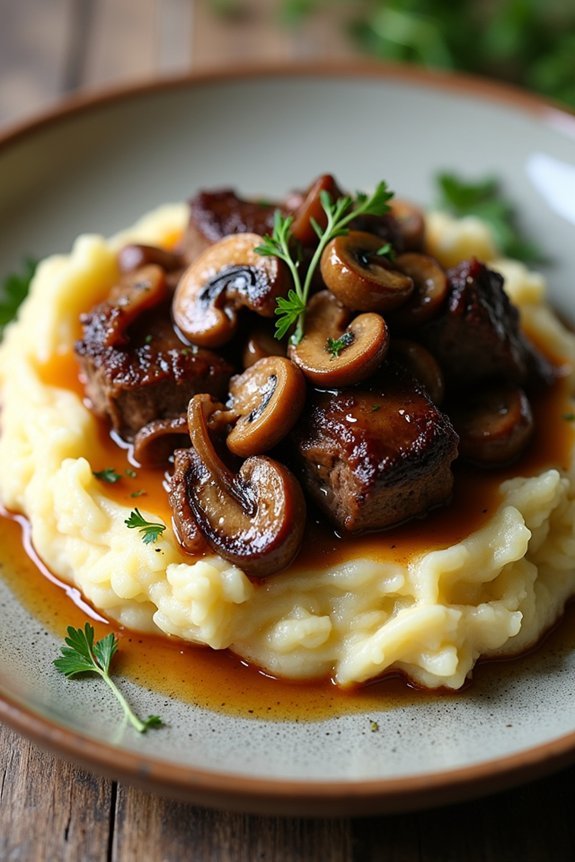
Pair with golden, crispy Yorkshire puddings (trust me, they’re worth the effort) and a side of buttery mashed potatoes. For vegetables, roasted Brussels sprouts with bacon or glazed carrots add color and balance.
Don’t forget a bold red wine, perhaps a Cabernet Sauvignon or Merlot. The tannins help cleanse your palate between those heavenly bites of beef. What’s your go-to prime rib side?
Final Thoughts
When creating a prime rib masterpiece, remember that patience truly rewards the dedicated cook. The three-day salt cure, room-temperature rest, and post-roast waiting period aren’t just suggestions—they’re essential steps for that melt-in-your-mouth texture.
Don’t rush perfection. A good thermometer is your best friend here, as timing alone can’t guarantee that perfect 120°F medium-rare center. And those pan juices? Liquid gold that shouldn’t go to waste.
Trust the process, savor the results, and watch your guests’ faces light up. Isn’t that why we cook in the first place?