
I’m about to share my absolute favorite beef tenderloin recipe that strikes the perfect balance between simplicity and elegance. There’s something magical about transforming this premium cut into a restaurant-quality centerpiece with just a few quality ingredients and proper technique. If you’ve ever been intimidated by cooking tenderloin, don’t worry—I’ve got all the secrets to guarantee it emerges juicy and perfectly cooked every time. But first, let me tell you what makes this approach different from others you might have tried…
Why You’ll Love this Perfect Beef Tenderloin
When it comes to impressing guests at your dinner table, nothing quite makes a statement like a perfectly cooked beef tenderloin. This luxurious cut practically melts in your mouth with its buttery texture and rich flavor. And guess what? It’s surprisingly simple to prepare.
I love how this recipe keeps things elegantly minimal. Just olive oil, garlic salt, and fresh black pepper let the meat’s natural flavors shine. No complicated techniques or obscure ingredients needed. The slow roasting at 325°F guarantees even cooking, while that vital 10-minute rest before carving? That’s the secret to maintaining those precious juices.
What Ingredients are in Perfect Beef Tenderloin?
When it comes to beef tenderloin, simplicity is the secret weapon. This classic cut of meat is known for its tender texture and rich flavor, making it perfect for special occasions or when you just want to treat yourself to something extra delicious. The beauty of this recipe lies in its straightforward approach—just a few quality ingredients that let the natural flavor of the tenderloin shine through.
- 3-4 pounds beef tenderloin, trimmed and tied
- Olive oil
- Garlic salt
- Fresh coarse ground black pepper
What I love about this ingredient list is how accessible everything is. No need to hunt down obscure spices or special marinades. The quality of your tenderloin matters most here—look for a piece with good marbling and a deep red color. And while the recipe calls for garlic salt, you could certainly substitute regular sea salt and add a bit of minced garlic if you prefer more control over the garlic flavor. Some folks might want to contemplate adding fresh herbs like rosemary or thyme as optional enhancements, though the classic preparation above creates a perfect canvas that needs no embellishment. Remember, with a premium cut like tenderloin, less is often more.
How to Make this Perfect Beef Tenderloin
Preparing beef tenderloin couldn’t be more straightforward, which is exactly why it’s such a showstopper for special occasions. Start by preheating your oven to 325°F—a moderate temperature that allows the meat to cook evenly without drying out. Take your 3-4 pound beef tenderloin, already trimmed and tied (a step that helps it maintain its shape during cooking), and place it on your counter to come closer to room temperature. This little step makes all the difference in how evenly the meat cooks.
Next, grab some olive oil and liberally—don’t be shy here—smear it all over the outside of your tenderloin. The oil helps the seasonings stick and promotes beautiful browning. Sprinkle garlic salt and fresh coarse ground black pepper generously over the entire surface. I mean really coat it well. The seasoning creates a simple but flavor-packed crust that complements the natural richness of the meat. Now, place your seasoned tenderloin on a broiler pan, which allows air to circulate underneath for even cooking and lets any drippings fall away from the meat.
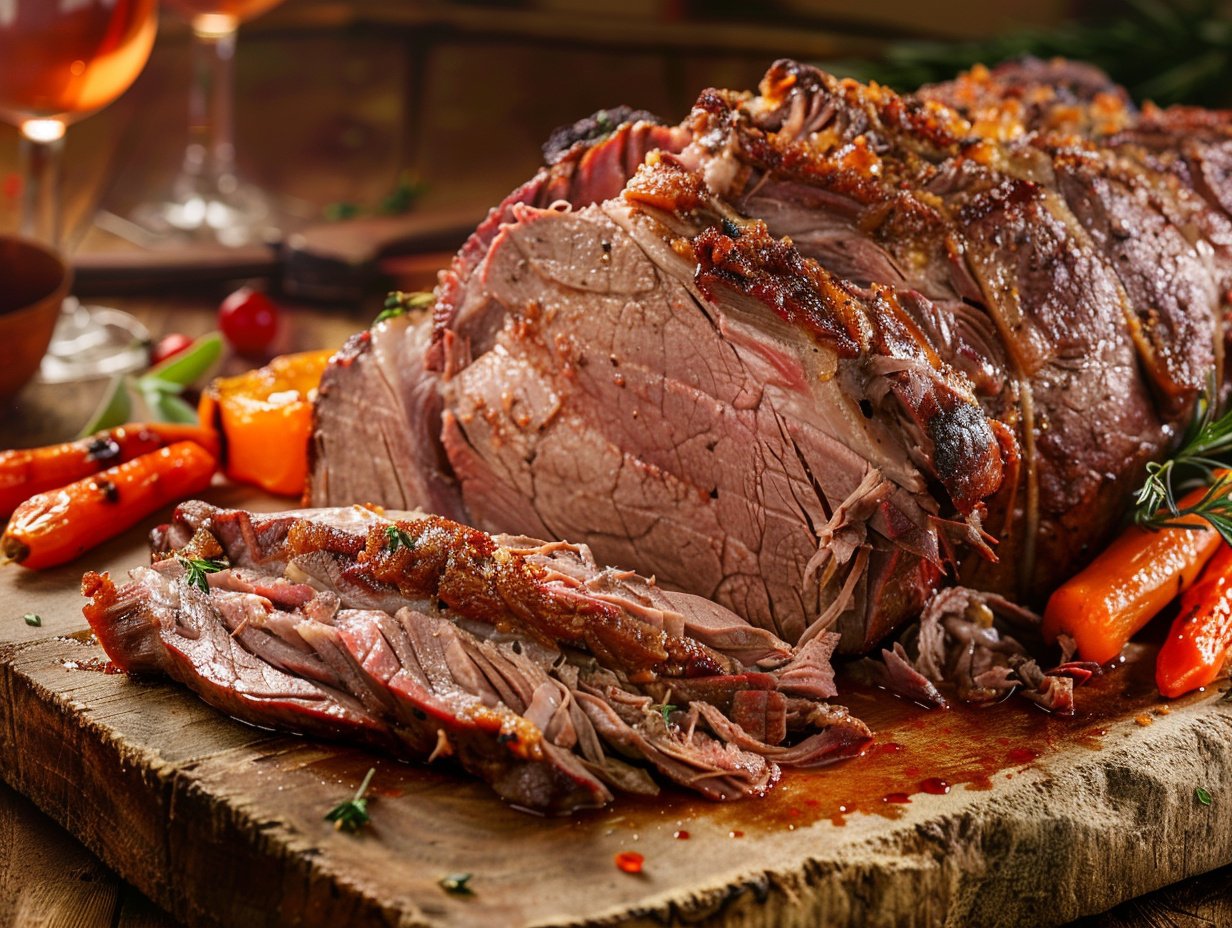
Pop your tenderloin into that preheated oven and let it roast for 15 minutes per pound if you prefer rare, or 20 minutes per pound for medium rare. For a 3-pound tenderloin, that’s about 45-60 minutes, depending on your preference. But here’s the critical part that many folks overlook—after removing it from the oven, let that beautiful piece of meat rest for 10-15 minutes before carving. During this resting period, the juices redistribute throughout the meat instead of spilling out onto your cutting board. Think of it as the meat’s meditation time, resulting in slices that are juicy, tender, and absolutely divine. When you finally cut into it with a sharp knife, you’ll be rewarded with perfectly pink, melt-in-your-mouth beef that required minimal effort but delivers maximum impact.
Perfect Beef Tenderloin Substitutions and Variations
While beef tenderloin stands as the star of elegant dinners, you don’t always have to follow the classic recipe to achieve magnificent results. I love adding crushed herbs like rosemary and thyme to the olive oil rub for an aromatic twist. Not a fan of garlic salt? Try a blend of sea salt, minced fresh garlic, and a pinch of onion powder instead.
For a truly decadent variation, consider wrapping your tenderloin in prosciutto or bacon before roasting. Want something with a bit more punch? A horseradish crust or a drizzle of balsamic reduction can transform this simple classic into something unexpected.
What to Serve with Perfect Beef Tenderloin
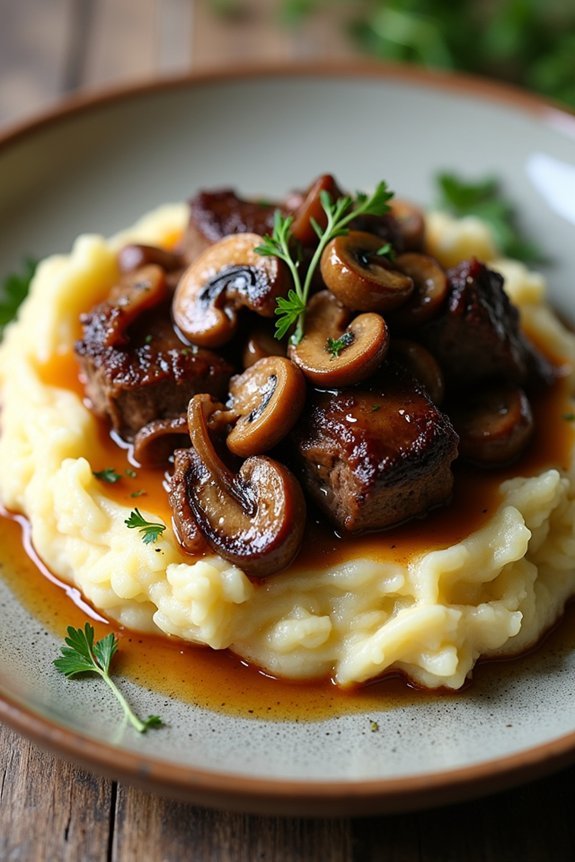
A perfect beef tenderloin deserves equally impressive sidekicks to round out your meal. I recommend creamy mashed potatoes or roasted fingerlings to soak up those savory meat juices. Can you imagine anything more comforting?
For veggies, try roasted asparagus with lemon, sautéed mushrooms with thyme, or a bright green salad. A bit of color on the plate, don’t you think?
Wine pairing is essential here—a bold cabernet sauvignon or merlot stands up beautifully to the rich beef flavor. Special occasion? Pop open that bottle you’ve been saving. This meal practically demands it.
Final Thoughts
Beef tenderloin stands as one of those special occasion masterpieces that’s actually surprisingly simple to prepare. With just olive oil, garlic salt, and fresh black pepper, you’ve got everything you need to create a memorable centerpiece that’ll have everyone thinking you spent hours in the kitchen.
Remember, the true secret lies in the resting period. Those 10-15 minutes might test your patience, but they’re essential for the juices to redistribute. Trust me, this small act of culinary restraint makes all the difference between good and extraordinary.
Elegant, effortless, exquisite—beef tenderloin never disappoints.